What are the latest interior design trends in India for 2026?
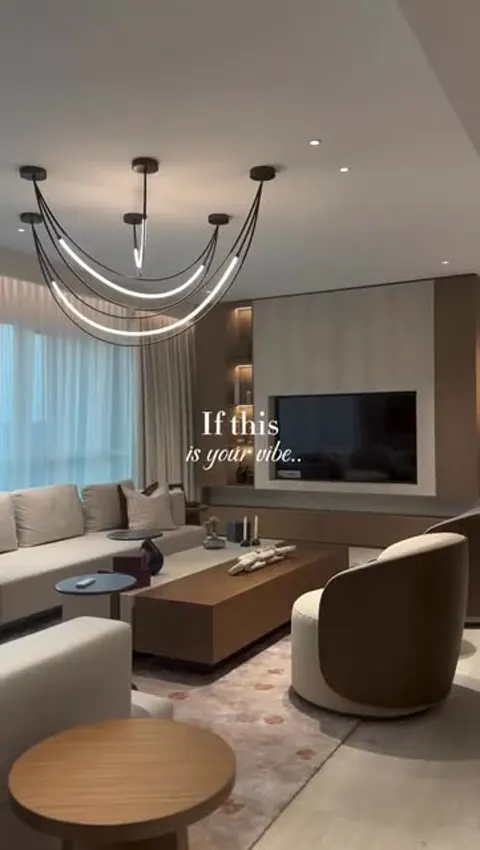
The latest interior design trends in India lean towards quiet luxury: curved forms, textured surfaces, warm neutrals, natural materials and lighting that feels soft rather than bright. Loud gloss, heavy false ceilings and busy wallpaper are giving way to fewer, better details.
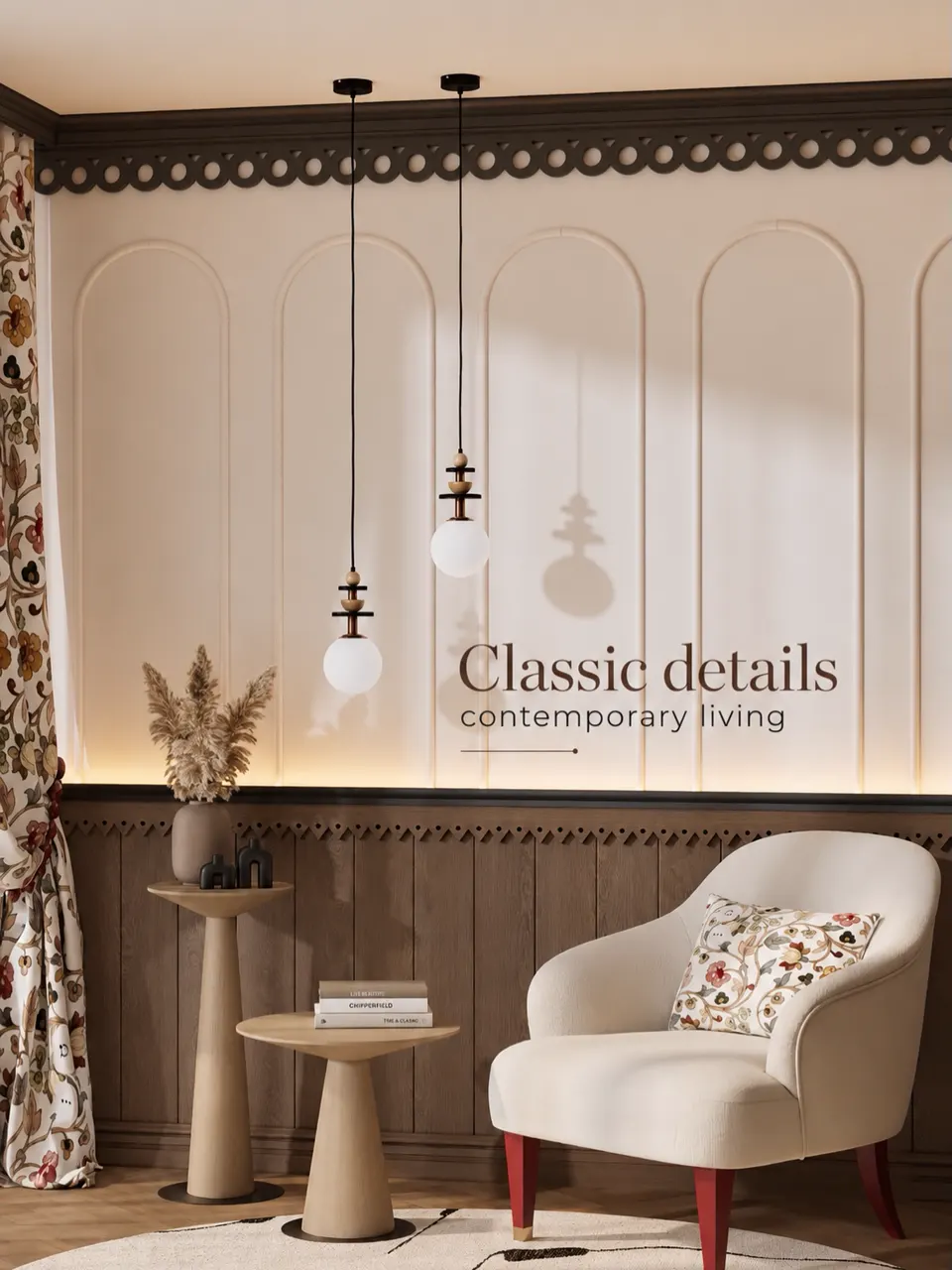
Two forces are shaping interior decoration designs this year. First, homeowners spend more time at home and want spaces that feel restful. Second, better local craftsmanship means details like curved niches and fluted panels are now practical in everyday flats, not just in luxury villas. The result is a look we would describe as classic details with contemporary living.
There is also a practical shift. Families in Delhi NCR are asking for finishes that cope with dust, heat and hard water, so matte surfaces, closed storage and easy-clean materials are trending for sensible reasons, not only visual ones. Similarly, the renewed interest in dedicated pooja spaces reflects how many households want a quiet, meaningful corner that still matches the rest of a modern home.
Below are ten trends worth considering, with honest notes on where they work and where they do not. Treat them as a menu rather than a checklist: a well-designed home picks the few that suit its light, size and the people who live in it.
Trends 1–4: forms and surfaces
Curves and texture are the defining surface trends of 2026. They soften boxy Indian apartments and catch light beautifully.
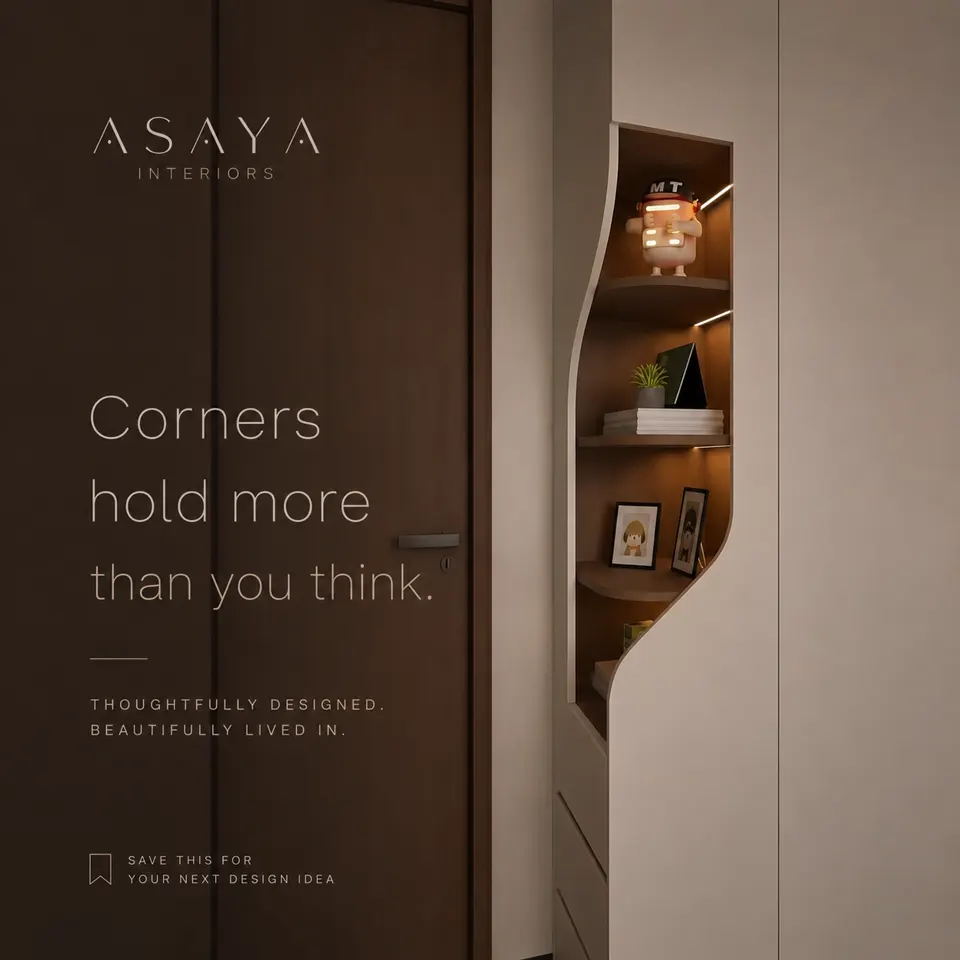
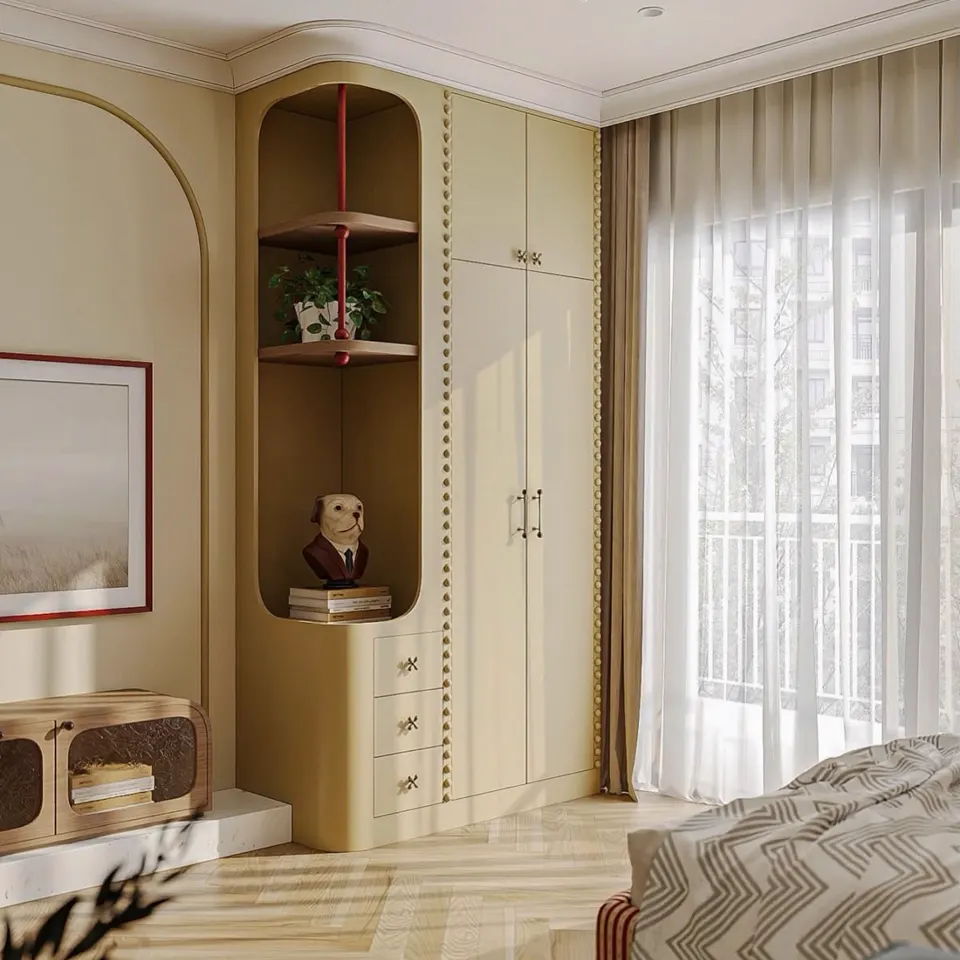
1. Curved niches and arched shelving
Arched display niches, rounded wardrobe ends and curved headboard walls bring a gentle, crafted feel. They work well in living rooms, bedrooms and beside the pooja unit. Budget for skilled carpentry or gypsum work; curved shapes take longer than straight ones.
2. Fluted and ribbed panelling
Vertical flutes in MDF, veneer or PU make walls and shutters look taller and add shadow play. Popular uses include TV walls, bed backs, kitchen island fronts and reception desks. Indicative cost: about ₹450–₹1,500 per sq ft depending on material and finish. See more in our wall panelling design ideas.
3. Limewash and textured walls
Mineral textures and limewash-effect paints replace flat paint on feature walls and staircases. They hide minor wall imperfections, which is useful in older homes.
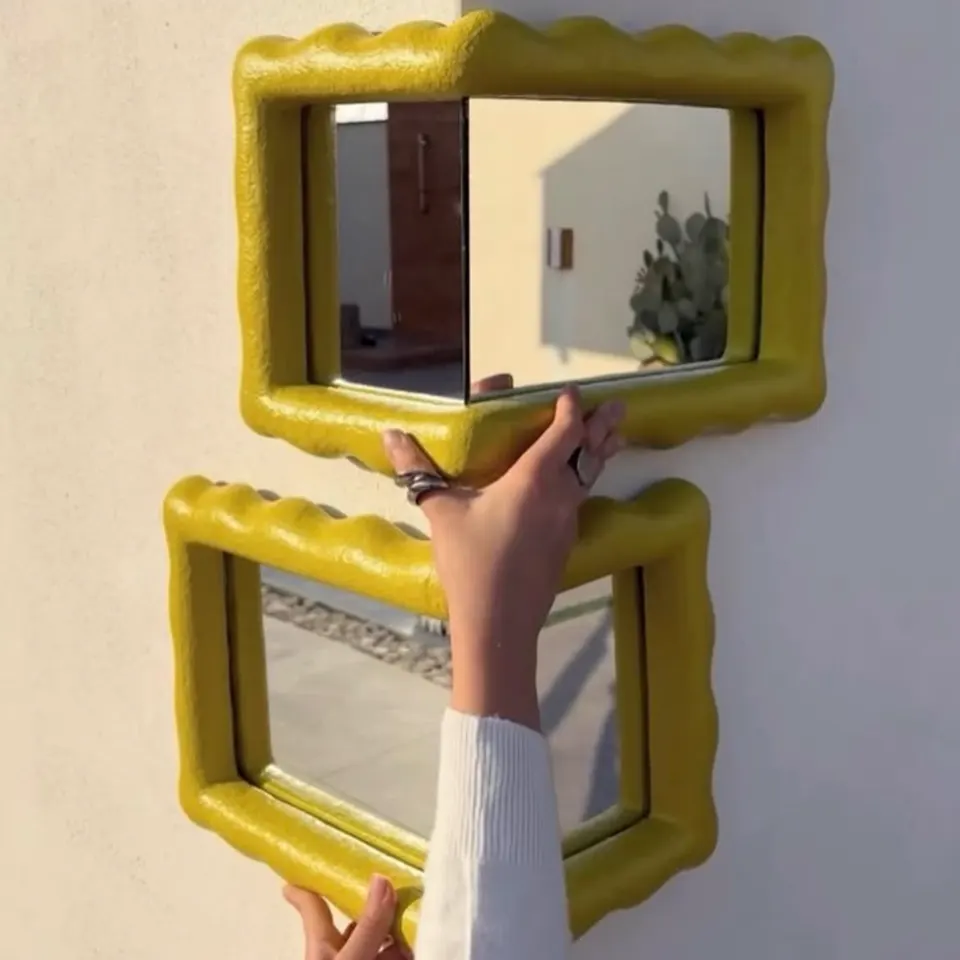
4. Sculpted mirrors
Organic, asymmetric mirrors in entryways and powder rooms add movement and bounce daylight into darker corners.
Trends 5–7: colour, material and light
Warm, earthy palettes and layered warm lighting are replacing cool whites and single ceiling lights. Together they make a home feel calmer in the evening.
5. Earthy, warm palettes
Think sand, clay, olive, mushroom, terracotta and deep walnut, balanced with warm whites. Use one deeper shade per room on a feature wall or upholstery. Our colour palette ideas list tested combinations.
6. Natural and natural-looking materials
Wood veneers, cane, rattan, travertine-look tiles, microcement and linen all feature strongly. Where budgets are tighter, good-quality textured laminates imitate wood grain convincingly.
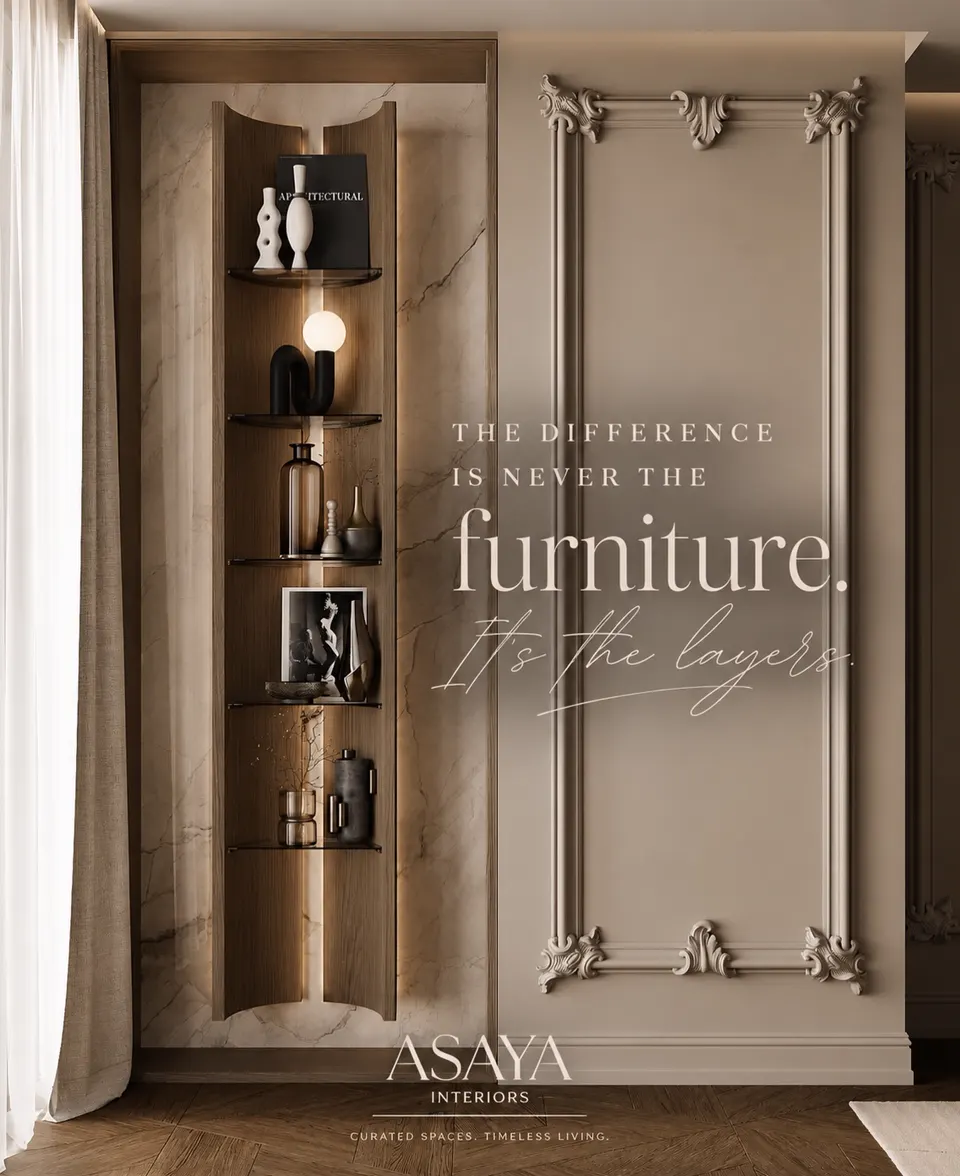
7. Layered lighting
Cove lights, wall washers, picture lights, pendant clusters and hidden profile lights under shelves. Choose 2700K–3000K colour temperature for living and bedrooms and CRI above 90 so materials look true. Our home lighting design guide explains lux levels room by room.
Trends 8–10: function and meaning
The most useful trends of 2026 are about how a home is used, not only how it looks.
8. Modern pooja rooms
Devotional spaces designed with backlit jaali or lotus panels, brass accents, stone-look bases and concealed storage for puja items. They honour tradition while matching the rest of the home. See our pooja room design ideas.
9. Hidden and multifunctional storage
Handleless kitchens, full-height wardrobes, bed storage, window seats and wall-to-wall media units keep surfaces clear, which suits dusty NCR conditions.
10. Work-from-home corners
Compact study nooks with task lighting, cable management and acoustic softness, often built into a bedroom or living room alcove.
Interior decoration designs 2026: cost and suitability
Not every trend suits every home, so match the idea to your space and budget. The ranges below are indicative for Delhi NCR and depend on materials and scope.
| Trend | Best rooms | Indicative cost | Longevity |
|---|---|---|---|
| Curved niches / arches | Living, bedroom, entry | ₹25,000 – ₹1.5 lakh per feature | High |
| Fluted panelling | TV wall, bed back, island | ₹450 – ₹1,500 per sq ft | High |
| Limewash / texture | Feature walls, stairs | ₹60 – ₹200 per sq ft | Medium to high |
| Cove and profile lighting | All rooms | ₹400 – ₹1,200 per running ft installed | High |
| Sculpted mirrors | Entry, powder room | ₹12,000 – ₹60,000 each | Medium |
| Modern pooja unit | Pooja corner or room | ₹35,000 – ₹2 lakh+ | High |
Applying 2026 trends room by room
Use each trend where it solves a real problem in that room. This keeps interior decoration designs purposeful rather than decorative for its own sake.
Living room
A fluted or textured TV wall with a concealed cove above, a curved-arm sofa and a single warm pendant over a reading chair. Keep storage closed below and display open above. More ideas in our living room decor guide.
Bedroom
An upholstered or panelled headboard wall running wider than the bed, arched niches for bedside display, and dimmable 2700K lighting. Earthy linen curtains with blackout lining complete the calm.
Kitchen
Handleless shutters in matte finishes, a quartz or stone-look counter, fluted island fronts where space allows, and under-cabinet task lights so the counter is evenly lit.
Entrance and passages
A sculpted mirror, a slim console and a wall washer light turn a dull corridor into a welcoming first impression. Textured paint on staircase walls in duplexes and kothis adds depth without clutter.
Bathroom
Large-format tiles with fewer grout lines, a floating vanity, a backlit mirror and warm lighting. Stone-look finishes bring a spa feel without the maintenance of real marble.
Trends to approach with caution
Anything that relies on novelty rather than comfort tends to date quickly. A few ideas to use carefully:
- High-gloss everything: shows fingerprints and dust, and feels cold in large doses.
- Multi-layer POP ceilings with coloured strip lights: heavy, hard to clean and visually busy.
- Very dark walls in small rooms: can work in a powder room, but shrinks a compact bedroom.
- All-over wallpaper in humid rooms: may peel in monsoon months.
- Too many trends at once: pick two or three and repeat them across the home for a coherent story.
How to bring these trends into your home
Start with a mood board, choose a limited palette of materials and plan the lighting with the furniture, not after it. That order keeps the design coherent.
- Collect images of rooms you like and look for what repeats: colours, shapes, textures.
- Choose one hero material per room (for example, walnut veneer or fluted panels).
- Plan storage first so decor does not have to hide clutter.
- Design lighting as layers and specify colour temperature for every fixture.
- Add soft furnishing last; our home furnishing and decor service helps tie everything together.
Most people notice the furniture; designers notice the layers. If you would like those layers planned for your home, reach Asaya Interiors on +91 98001 08800 for a free consultation and a 3D preview of how these trends could look in your space.
Frequently asked questions
Which interior design style is trending in India in 2026?
A warm, minimal style often called quiet luxury is leading. It combines soft curves, fluted and textured surfaces, earthy colours, natural materials and layered warm lighting, often mixed with classic Indian elements such as brass, jaali and carved details.
Is fluted panelling still in trend?
Yes. Fluted and ribbed surfaces remain popular because they add depth without adding colour or clutter. Used on one wall or a few shutters rather than everywhere, they age well and suit both modern and classic interiors.
Are false ceilings going out of style?
Heavy, multi-layered ceilings are declining. Simple gypsum ceilings with a single cove, or peripheral ceilings that hide AC piping and profile lights, remain very practical and are still widely used.
What colours are trending for Indian homes?
Warm neutrals such as sand, greige and mushroom are popular bases, paired with accents like olive, terracotta, deep teal or walnut brown. These colours feel calm and handle Indian daylight well.
How do I make trends last longer?
Apply trends to elements that are easy to change, such as paint, cushions, rugs and decor, and keep fixed furniture in timeless finishes. Choose trends that improve comfort or storage rather than purely decorative fads.