What makes a good TV unit design?
A good TV unit design starts with the viewing distance and the wiring, not the laminate catalogue. Once the screen size, eye level and cable routes are fixed, the storage and the finish can be designed around them.
Most living rooms in Faridabad and Delhi NCR are between 11 and 14 ft wide, which means the TV wall is also the wall everyone sees first when they walk in. That is why we treat it as a feature wall and not just a piece of furniture. A few rules we follow on almost every project:
- Eye level: the centre of the screen should sit roughly 1,000–1,100 mm from the finished floor for a standard sofa. Wall-mounting a TV too high is the single most common mistake we fix.
- Viewing distance: for a 55-inch 4K screen, 7–9 ft from the sofa is comfortable; for 65 inches, 8–11 ft.
- Depth: a floating console of 350–450 mm depth holds a set-top box, soundbar and router without looking bulky.
- Ventilation: closed shutters in front of routers and receivers need cut-outs or a perforated back, otherwise the electronics overheat in a Delhi summer.
If the TV wall is part of a larger makeover, it helps to plan it together with your living room interior design so the sofa, rug and lighting all line up with it.
TV wall panel design ideas that work in Indian homes
The TV wall panel designs that age best are simple: one strong material, a clean frame around the screen and a little concealed light. Busy mixes of stone, mirror and three laminates tend to look dated within a few years.
Here are the directions our clients choose most often:
- Fluted panels: vertical MDF or WPC flutes in a painted or veneer finish add texture without shouting. Our wall panelling and decor page explains the options in more detail.
- Stone or large-format tiles: a 1,200 x 2,400 mm porcelain slab in a marble look behind the screen gives the luxury feel of Italian marble at a fraction of the weight and cost.
- Wood veneer with a backlit edge: warm, classic and easy to pair with brass or black metal trims.
- Floating LCD unit design: a wall-hung console with open space below makes a small room look larger and makes mopping easy.
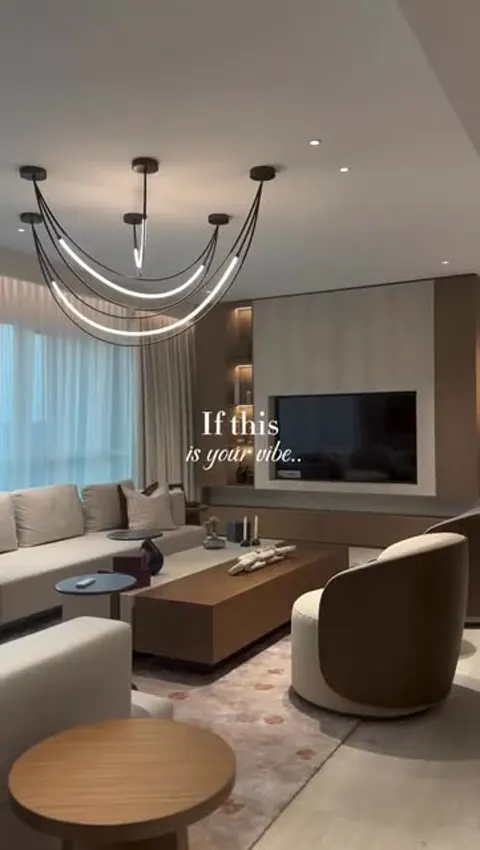
- Full-height TV and display wall: closed storage at the bottom, the screen in the middle and open niches for books and decor on one side. This suits larger 3BHK and kothi living rooms.
For more inspiration with photos and sizes, read our guide to TV unit design ideas.
Materials and finishes for TV units and LCD units
For a TV unit that lasts, use an 18 mm BWR or BWP plywood carcass with a durable face finish; MDF and HDHMR are fine for decorative panels that do not carry load. The finish decides both the look and the budget.
| Finish | Look | Durability | Indicative cost (Delhi NCR) |
|---|---|---|---|
| Laminate (1 mm) | Matte, suede or wood grain | High, scratch resistant | Most economical |
| Acrylic / high gloss | Glossy, contemporary | Good, shows fingerprints | Moderate |
| PU paint | Seamless, any colour | Good, needs careful handling | Moderate to high |
| Natural veneer | Real wood grain, warm | Good with lacquer finish | Moderate to high |
| Stone / porcelain slab cladding | Marble look, premium | Very high | High |
Hardware matters as much as the face: soft-close hinges, tandem drawer channels for heavy set-top boxes, and push-to-open fittings if you want a handle-free front. If you are unsure which board to choose, our plywood grades guide explains MR, BWR and BWP in plain language.
Planning wiring, lighting and sound behind the TV
All wiring for the TV, soundbar and set-top box should be decided before the wall is plastered or panelled. Retro-fitting conduits after the panel is up is messy and often impossible.
A practical checklist we share with every client:
- A 25 mm PVC conduit from the TV point down to the console for HDMI and power, plus a spare conduit for future cables.
- At least four power sockets behind the console (TV, set-top box, soundbar, router) and one socket behind the screen.
- A LAN point near the console if you stream a lot, because Wi-Fi is often weak in the corner where the TV sits.
- Speaker wire conduits to the sofa side if you plan a 5.1 setup later.
- A dimmable LED strip in 2700K–3000K warm white behind the panel or under the console, so the screen is not the only light at night.
Our lighting design team plans profile lights and cove lights on the same drawing, so the TV wall, ceiling and wall lights work together.
How much does a TV unit design cost in Faridabad?
Indicatively, a custom TV unit in Faridabad and Delhi NCR costs about ₹35,000 to ₹2.5 lakh or more, depending on the wall size, carcass, finish and whether the full wall is panelled.
- Simple floating console with a laminate back panel: roughly ₹35,000 – ₹75,000.
- Full TV wall with fluted panels, storage and LED profile: roughly ₹80,000 – ₹1.6 lakh.
- Premium wall with stone slab, veneer and display niches: ₹1.6 lakh – ₹2.5 lakh and above.
These are indicative market ranges for 2026 and will change with materials and scope. A site visit is the only way to give an honest quote, because wall condition, existing electrical points and ceiling height all affect the final number. You can also get a rough whole-home number from our interior cost calculator.
Our process for designing your TV wall
We measure the wall, understand how you watch and store, show you a 3D view and only then start fabrication. Most TV units are installed within 3–5 weeks of design sign-off.
- Site measurement: wall size, electrical points, window positions and sofa distance.
- Concept and 3D: two or three options shown as realistic renders, so you can compare finishes before you spend.
- Material selection: actual laminate, veneer and stone samples in daylight.
- Fabrication: carcass and shutters made in the workshop for better finish; panels fitted on site.
- Installation and handover: wiring tested, hinges aligned, site cleaned.
Thinking about the TV wall now, or the whole living room later? Call or WhatsApp Asaya Interiors on +91 98001 08800 and we will visit, measure and suggest two honest options for your space.
Frequently asked questions
What is the ideal height to mount a TV on the wall?
For most sofas, the centre of the screen should sit about 1,000 to 1,100 mm above the finished floor. In a bedroom where you watch lying down, it can go a little higher. Mounting it too high causes neck strain, so we mark the height on the wall with you before fixing anything.
Is a wall-mounted TV unit better than a floor-standing one?
A wall-mounted or floating TV unit looks lighter, makes cleaning easier and suits smaller rooms. A floor-standing unit gives more storage and suits larger rooms or rented homes where drilling is limited. Both can look premium when the proportions are right.
Which material is best for a TV wall panel?
For a durable, affordable panel, laminate or PU-finished MDF over a plywood frame works well. Fluted panels add texture, veneer adds warmth and porcelain slabs give a marble look. We recommend avoiding heavy natural stone on weak partition walls.
Can you hide the wires of an already mounted TV?
Yes. If chasing the wall is not possible, we build a slim panel of 50 to 75 mm in front of the wall and run the cables behind it. It also gives a neat base for LED profiles and fluted cladding.
How long does it take to make a custom TV unit?
Once the design and finishes are approved, a typical TV unit takes three to five weeks including fabrication and installation. Stone cladding or special veneers can add a week or two depending on availability.
Do you design TV units for bedrooms as well?
Yes. Bedroom TV units are usually slimmer, often combined with a study table or a dresser, and planned with the wardrobe so the room does not feel crowded. We also check the viewing angle from the bed before fixing the mount.