When does an old house need renovation?
An old house needs renovation when problems are structural or hidden: recurring seepage, tripping circuits, low water pressure, rusted GI pipes, hollow-sounding floor tiles or cracks that keep coming back. Cosmetic changes on top of these issues will not last.
Many homes in older Faridabad sectors, in NIT and in parts of Delhi were built 20–40 years ago. Typical issues we find:
- Galvanised iron plumbing that has rusted inside, reducing pressure and staining water.
- Aluminium or undersized wiring that cannot handle ACs, geysers and induction cooktops together.
- Hard-water damage to fittings and tiles, very common across Faridabad.
- Terrace and bathroom seepage showing up as damp patches on ceilings below.
- Closed, dark layouts with small kitchens and little storage.
Our step-by-step blog on how to renovate an old house to look modern explains how we prioritise these.
Decorating an old house to make it modern
Decorating an old house to make it modern works best when you simplify: fewer materials, lighter colours, cleaner lines and better light, while keeping any original features worth saving.
- Open up where possible: removing a non-load-bearing wall between the kitchen and dining area can transform an old layout. Structural walls need an engineer before any change.
- Replace heavy grills and dark doors with slimmer profiles, lighter shutters and larger glass where security allows.
- Level up the floors: large-format vitrified tiles or engineered wood over old mosaic or broken tiles, after checking floor height at doors.
- Add a false ceiling to hide new wiring and bring in cove and profile lighting.
- Keep character: old mosaic, a wooden staircase rail or arched windows can be restored and become the highlight.
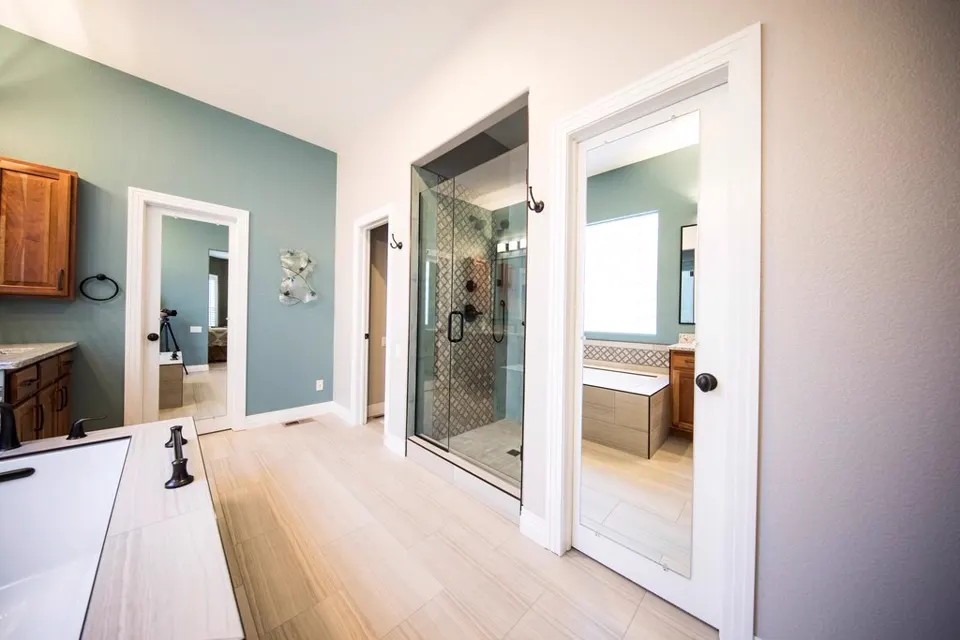
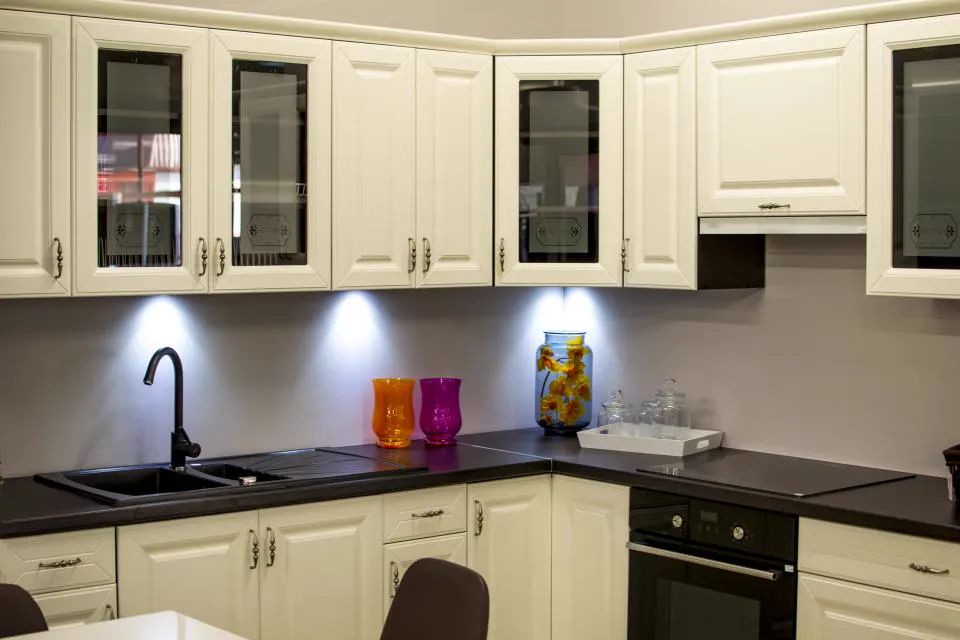
- Modern kitchen and bathrooms: these two rooms give the biggest lift in daily comfort and resale value.
Classic details and contemporary living can sit together; the goal is a home that feels current without losing its story.



Flat renovation vs independent house renovation
Flat renovation is limited by society rules, shared plumbing and structure, while an independent house or kothi allows deeper changes but needs more structural and waterproofing care.
| Aspect | Apartment / flat renovation | Independent house / kothi renovation |
|---|---|---|
| Approvals | Society NOC, work-hour limits, lift and debris rules | Local building rules for structural or facade changes |
| Plumbing | Internal lines only; shafts are shared | Full replacement possible, including tanks |
| Structure | No changes to columns, beams or shear walls | Changes possible with a structural engineer |
| Waterproofing | Bathrooms and balconies | Terrace, bathrooms, basement and external walls |
| Typical timeline | 6–12 weeks | 3–6 months, depending on scope |
For larger independent homes, also see our villa and kothi interior design service.
Our renovation process, step by step
We follow a fixed order: inspect, design, demolish, fix services, waterproof, then finish. Skipping or reordering these steps is what causes cracked tiles and repeat leaks later.
- Site survey: check plumbing pressure, wiring load, dampness and floor levels; photograph everything.
- Design and 3D: new layout, elevations and material palette, reviewed together with you.
- Detailed estimate: item-wise scope so you know exactly what is included.
- Demolition and debris removal: carried out with dust control and as per society rules.
- Services: CPVC/PPR plumbing, new copper wiring with MCBs and RCCB, and conduits for data and CCTV.
- Waterproofing: bathrooms, balconies and terrace treated and water-tested before tiling.
- Civil finishes: flooring, tiling, plaster repairs, false ceiling and painting.
- Carpentry and fit-out: kitchen, wardrobes, doors and fixtures.
- Handover: snag list, deep clean and walkthrough.
Our own site team, pictured on this page, supervises each stage. Material choices are finalised with you, as described in our 3D design and floor plans process.
How much does old house renovation cost?
Indicatively, a full old house renovation in Delhi NCR, including services, civil work and interiors, costs about ₹1,200 to ₹3,500 or more per sq ft of carpet area. A cosmetic home makeover without plumbing or wiring changes costs much less.
- Cosmetic makeover (paint, lights, furnishing, minor carpentry): roughly ₹300 – ₹800 per sq ft.
- Mid-level renovation (flooring, bathrooms, kitchen, wiring): roughly ₹1,200 – ₹2,200 per sq ft.
- Complete renovation with premium finishes: ₹2,200 – ₹3,500 per sq ft and above.
- Bathroom renovation: often ₹1.2 lakh – ₹4 lakh per bathroom; see our bathroom renovation guide.
These figures are indicative and depend heavily on the existing condition, materials and scope. A site visit is essential before any quote. For quick ideas on a smaller budget, read our budget home makeover ideas.
Tips for a smoother renovation
The smoothest renovations are the ones planned fully before demolition starts. Changes made mid-way cost the most time and money.
- Finalise the kitchen, bathroom fittings and electrical layout before work begins.
- Plan where you will stay if the home is not livable for some weeks.
- Keep a contingency of around 10–15% for hidden issues found after demolition.
- Photograph concealed plumbing and wiring before walls are closed.
- Install a water softener or filter if hard water is a problem in your area.
- Choose fittings that are easy to service locally; imported parts can take weeks to arrive.
- Inform neighbours before noisy demolition days; it saves friction in shared buildings.
Renovation is also the ideal moment to plan for the next decade: extra sockets for charging and appliances, a dedicated line for an EV charger in kothis with parking, and conduits for CCTV and Wi-Fi access points.
If your home has good bones but tired interiors, Asaya Interiors can help you bring it back to life. Call +91 98001 08800 to book a site inspection, and we will tell you honestly what needs fixing first.
Frequently asked questions
Is it better to renovate or rebuild an old house?
If the structure is sound, renovation is usually faster and more economical. If there are serious structural cracks, weak foundations or you need more floors, rebuilding may make sense. A structural engineer should assess the building before you decide.
How long does an old house renovation take?
A flat renovation typically takes six to twelve weeks, while a full independent house renovation can take three to six months. Timelines depend on scope, approvals and how quickly design decisions are finalised.
Can I live in the house during renovation?
For small, room-by-room work, yes, with some inconvenience. For full renovations involving plumbing, wiring and flooring, we recommend moving out for safety, dust control and faster progress. We can phase the work so you are away for the shortest possible time.
Do I need society permission for flat renovation?
Most housing societies in Delhi NCR require a written approval or NOC, and set rules on working hours, debris removal and lift use. We help you prepare the details the society needs before work begins.
What should be replaced first in an old house?
Start with the hidden services: plumbing, electrical wiring and waterproofing. Once these are reliable, move on to flooring, the kitchen, bathrooms and finally paint, lighting and furnishing. This order prevents new finishes from being broken open later.
Can you modernise an old house without breaking everything?
Yes. Paint, lighting, false ceilings, new shutters on old wardrobes, furnishing and wall panelling can give a strong modern makeover with limited demolition, provided the underlying services are in good condition.