Why choose wall panelling design for your home?
Wall panelling adds texture, hides uneven plaster and wiring, and creates a clear focal point without adding furniture. It is especially useful in Indian homes where the TV wall, bed back and entrance lobby need to look finished from day one.
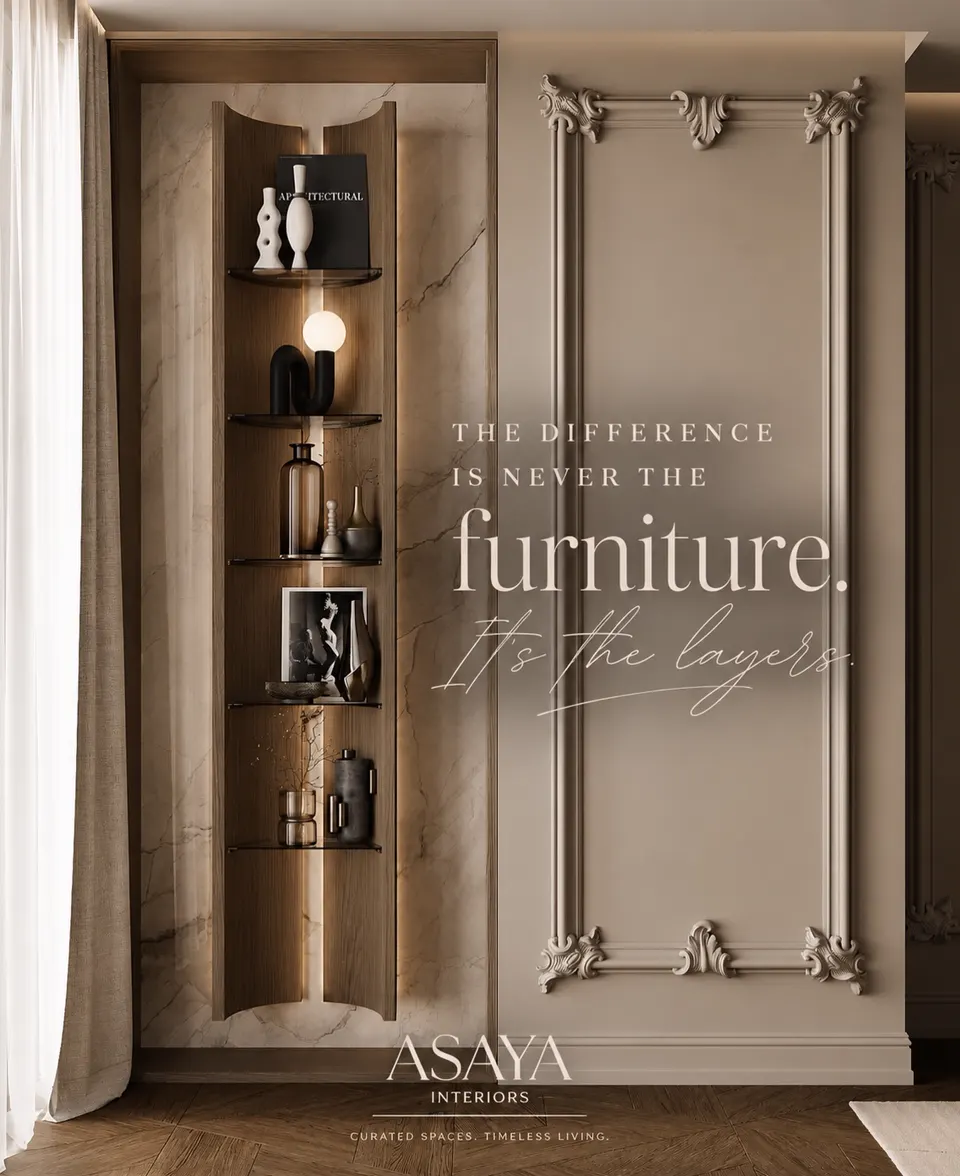
As our studio likes to say, most people notice the furniture; designers notice the layers. A panelled wall is one of those layers. Used well, it:
- Brings warmth to plain, flat apartment walls.
- Conceals conduits for TVs, speakers and LED strips.
- Improves acoustics slightly when combined with fabric or wood.
- Protects walls in high-traffic areas such as corridors and staircases.
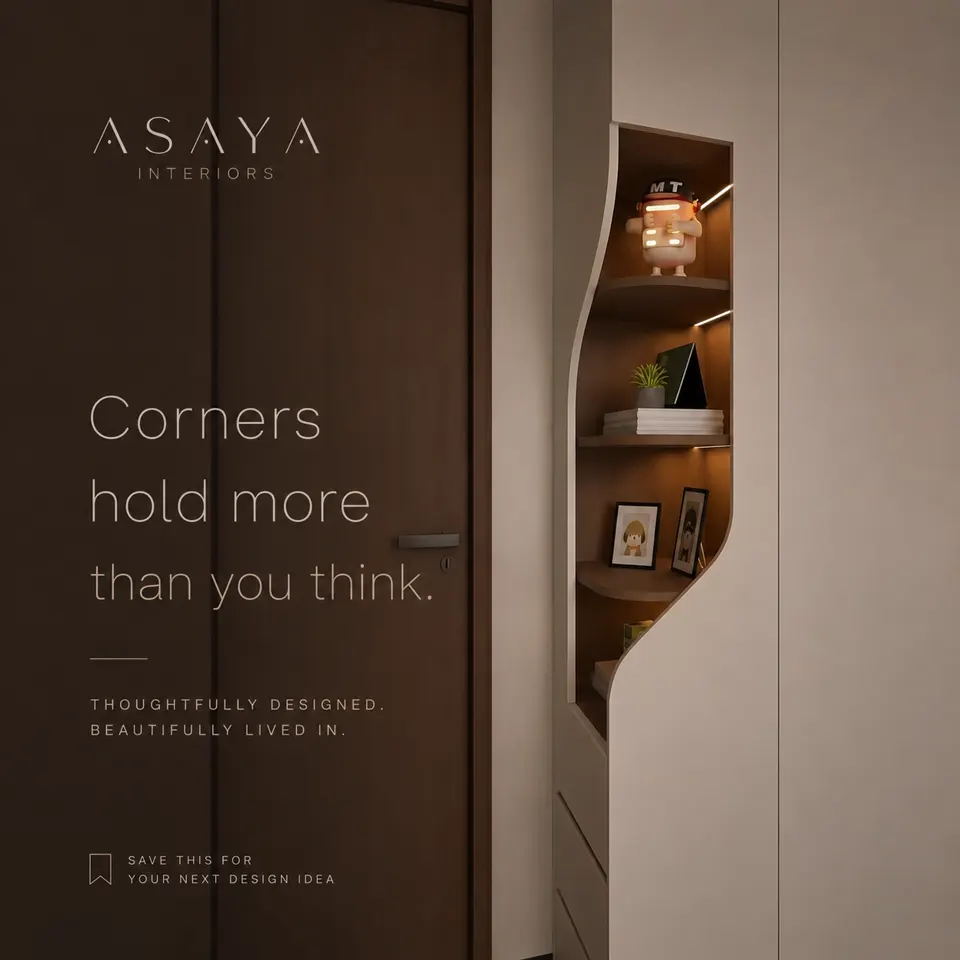
The photo at the top of this page shows one of our own projects: a fluted wall with a softly lit display niche, where the flutes run the full height and the niche is detailed so the lines stay continuous.
Fluted panels: materials, sizes and finishes
Fluted panels are vertical grooved panels made from MDF, WPC, PVC, solid wood or even stone. For interiors, finished MDF or WPC flutes give the best balance of look, cost and durability.
- MDF or HDHMR flutes: CNC-routed and finished in PU paint or veneer. Crisp profiles, fully customisable colour. Best for dry areas like living rooms and bedrooms.
- WPC / PVC fluted panels: factory-finished, moisture-resistant and lighter on the budget; good for areas with some humidity.
- Solid wood battens: rich and tactile, but need seasoning and polish maintenance.
- Stone or tile flutes: for feature walls where you want a luxury, sculpted surface.
Common flute widths are 20–50 mm with a groove depth of 6–12 mm. Wider flutes suit tall walls and large rooms; narrow flutes look refined on furniture shutters and bed backs. We always run a sample before production so you can see the shadow line in your own light.
Colour matters as much as profile. Soft greige, sage, warm white and walnut tones keep fluted walls calm, while deep green or charcoal flutes make a bolder statement in a study or powder room. For help pairing panel colours with the rest of the room, read our colour palette ideas for Indian homes.
Wallpaper, textures and other wall decor options
If panelling is not right for a wall, wallpaper and textured paint are lighter, faster and more budget-friendly ways to add pattern and depth.
| Option | Best for | Life with care | Indicative cost (installed) |
|---|---|---|---|
| Fluted MDF / WPC panels | TV walls, bed backs, lobbies | Long-lasting | ₹250 – ₹900 per sq ft |
| Wall moulding (frames, beadings) | Classic and contemporary rooms | Long-lasting | ₹80 – ₹250 per sq ft of wall |
| Wallpaper (vinyl / non-woven) | Bedrooms, kids rooms, accent walls | Several years indoors | ₹60 – ₹250 per sq ft |
| Textured paint / lime plaster / microcement | Staircases, living rooms, niches | Long-lasting | ₹60 – ₹180 per sq ft (microcement higher) |
| Veneer panelling | Premium living rooms and studies | Long-lasting with polish | ₹450 – ₹1,200 per sq ft |
These are indicative 2026 market ranges for Delhi NCR and change with brand and wall condition. Wallpaper should never go on a damp wall, which is a real concern in older Faridabad homes with seepage; we test and treat the wall first. You can see more combinations in our guide to wall panelling design ideas.
Where wall panelling works best in a home
Panelling looks best on one or two chosen walls per room, usually the wall you face on entering or the wall behind the main piece of furniture.
- TV wall: panelling hides cables and frames the screen. See our TV unit design service.
- Bed back wall: an upholstered or fluted headboard wall adds softness; it pairs well with our bedroom interior design work.
- Entrance foyer: a panelled wall with a console and mirror makes a strong first impression.
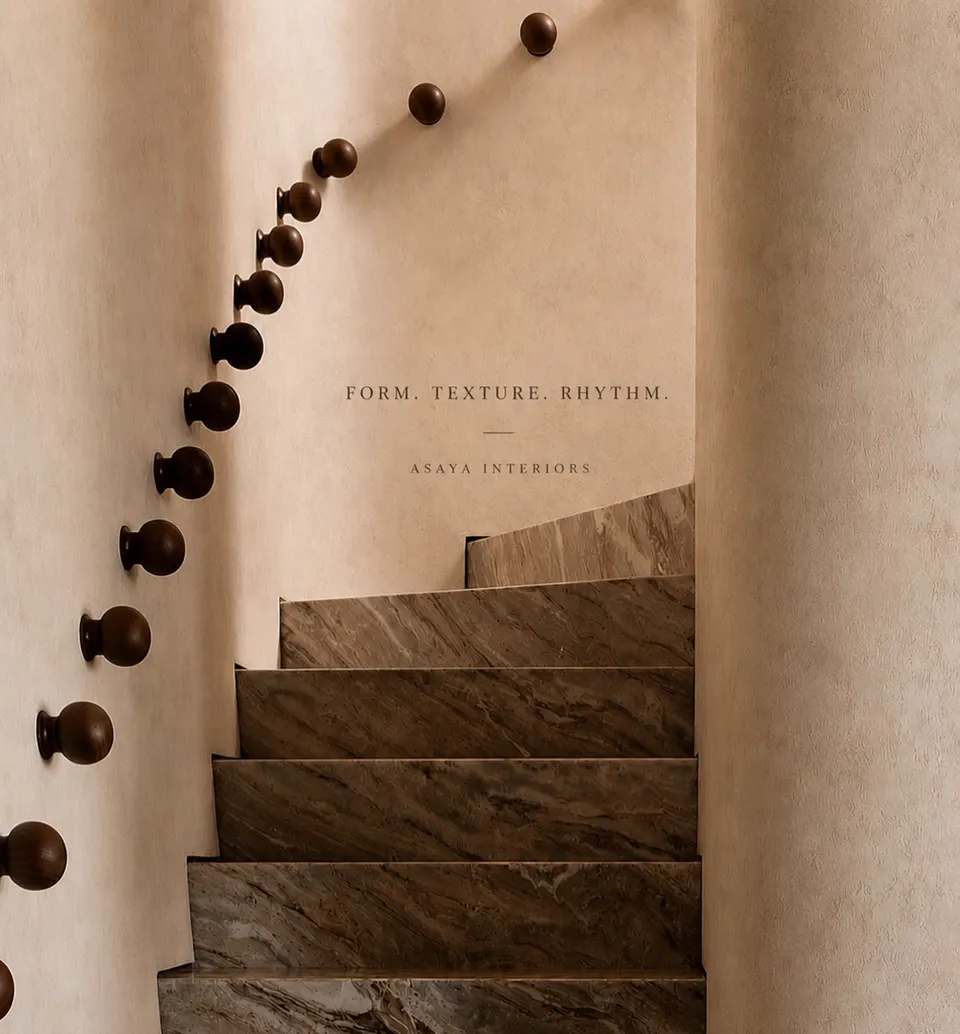
- Staircase: textured plaster or panels protect the wall from hand marks and scuffs.
- Pooja area: carved or backlit panels create a calm, devotional backdrop.
- Offices and cafes: fluted and slatted walls add warmth to reception and seating areas.
Details that separate good panelling from average work
Good panelling is defined by its edges: straight joints, finished corners, aligned switchboards and lighting that is part of the design rather than an afterthought.
- Base frame: panels should sit on a levelled plywood or aluminium frame, not glued straight onto uneven plaster.
- Switches and sockets: plan extension boxes so switchboards sit flush with the new surface.
- Edges: use metal or solid wood edge profiles at corners and where panelling meets paint.
- Skirting and ceiling: leave a shadow gap or recessed skirting so the panel looks intentional.
- Lighting: a warm 2700K–3000K LED profile at the top or inside a niche makes flutes and textures come alive. Our lighting design team details this.
- Ventilation: leave a small air gap behind panels on external walls to avoid trapped moisture.
How we design and install wall panelling
We design the wall in 3D, approve samples with you and then fabricate in the workshop, so on-site time is short and the finish is cleaner.
- Site measurement and moisture check of the wall.
- Concept with two or three options, including flute size, colour and lighting.
- Physical samples at your home, checked in both daylight and evening light.
- Workshop production and 2–5 days of on-site fixing for most walls.
- Final touch-up, cleaning and a lighting check.
If you want your walls to feel as considered as your furniture, speak with Asaya Interiors. Call +91 98001 08800 to book a free consultation and see samples in your own space.
Frequently asked questions
Are fluted panels still in style?
Yes. Fluted panels remain popular because they add texture in a calm, understated way. Choosing a neutral colour, a moderate flute width and good lighting keeps them looking current for many years rather than feeling like a passing trend.
Which is better, PVC or MDF wall panels?
MDF panels with PU or veneer finishes look more refined and can be made in any colour, but they need dry conditions. PVC and WPC panels resist moisture better and cost less, making them a practical choice for areas with some humidity.
Can wallpaper be used in Indian homes with seepage?
Wallpaper should not be applied to walls with active dampness, as it will bubble and peel. The source of seepage must be fixed and the wall dried and primed first. On walls with ongoing issues, textured paint is a safer choice.
How much does fluted wall panelling cost?
Indicatively, fluted wall panelling in Delhi NCR costs about ₹250 to ₹900 per sq ft installed, depending on the material, finish and lighting. A site visit is needed for an accurate quote based on wall size and condition.
How long does wall panelling take to install?
Most single feature walls are fixed on site within two to five days once the panels are fabricated. Including design approval and workshop time, the full process usually takes two to four weeks.
Can panelling hide wires and uneven walls?
Yes. Because panels sit on a frame, they conceal conduits, minor cracks and uneven plaster. This makes panelling a good solution for TV walls and older homes where re-plastering would be messy.