Gypsum or POP: which false ceiling design material is better?
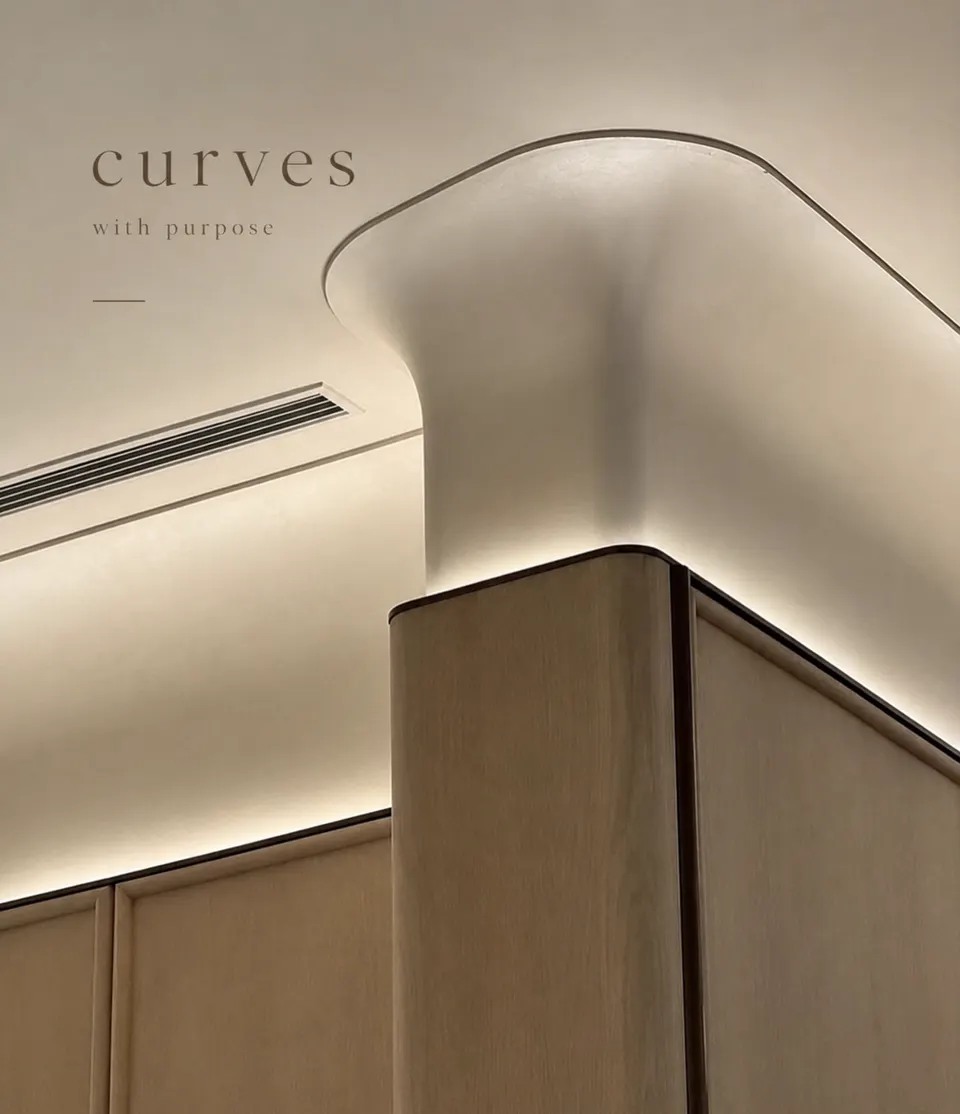
For most homes we recommend gypsum board ceilings because they are faster to install, cleaner on site and give a smooth, consistent finish. POP (plaster of Paris) is better suited to intricate curves and moulded details made on site.
| Factor | Gypsum board | POP |
|---|---|---|
| Installation | Faster, dry process | Slower, wet process with drying time |
| Finish | Very smooth and uniform | Smooth; quality depends heavily on craftsman |
| Curves and mouldings | Possible with flexible board | Excellent for detailed shapes |
| Site mess | Low | High |
| Moisture | Use moisture-resistant board in damp areas | Weak in damp areas |
| Indicative cost | ₹85 – 180 per sq ft | Similar range, varies with detailing |
For bathrooms and balconies we typically suggest PVC, grid or moisture-resistant boards instead, as ordinary gypsum and POP can sag with humidity.
Popular ceiling designs for hall and living areas
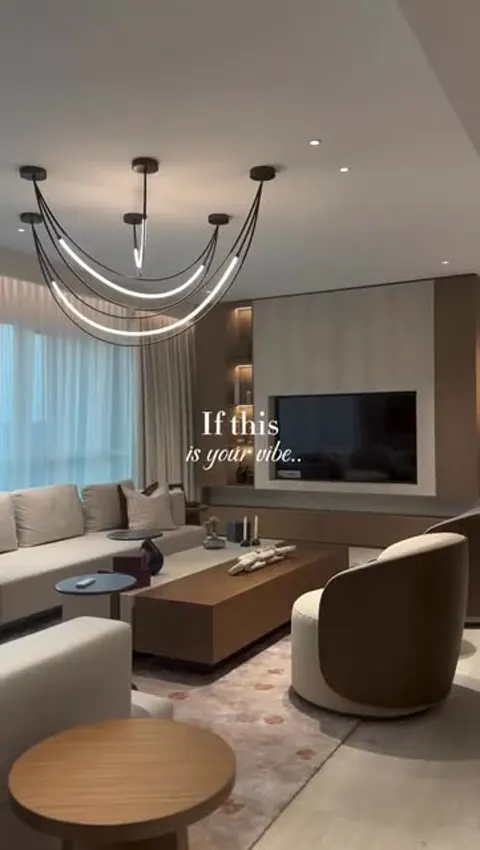
For a ceiling design for hall or living spaces, a peripheral cove with a clean central area is the most versatile choice. It gives soft, indirect light and leaves the ceiling height intact in the middle.
- Peripheral cove: a 300mm–600mm drop around the room edge with a concealed LED strip.
- Curved and organic forms: soft arcs that echo curved furniture and arched niches, a signature of our work.
- Layered or stepped ceilings: two levels to define the seating and dining zones in an open hall.
- Wooden rafters or slats: veneer or laminate strips for warmth in contemporary rooms.
- Floating or island ceilings: a central panel over the seating with hidden light around its edge.
- Track and magnetic lighting ceilings: minimal and flexible for modern apartments.
Read our false ceiling designs for living room article for more visual ideas, and see how a ceiling works with the rest of the space in living room interior design.

How low can a false ceiling go?
In most homes, keep the finished height at 2700mm (about 9 ft) or more where possible, and avoid dropping below about 2550mm in main rooms. Typical NCR apartments have slab heights of roughly 2900mm–3100mm, which leaves room for a modest drop.
- A cove needs only about 100mm–150mm of depth plus a return lip for the LED profile.
- Recessed downlights typically need 75mm–100mm of clearance above the board.
- Ducted AC or large beams may require deeper drops in specific zones only; we keep the rest of the ceiling higher.
- In rooms under 2800mm, consider a perimeter-only drop or surface lighting instead of a full false ceiling.
For older builder floors and kothis with high ceilings, a deeper, layered design can make a large room feel more intimate.
Planning lights, fans and AC in the ceiling
The false ceiling is where lighting, fans, AC, speakers and smoke detectors meet, so all of them must be planned before the frame goes up. Retrofitting later means cutting boards and patching.
- Fan hooks must be fixed to the concrete slab with a proper down rod, never to the gypsum frame.
- Heavy chandeliers need a separate slab anchor and a reinforced ceiling section.
- Lighting: 2700K–3000K warm light with CRI above 90 for living rooms and bedrooms; avoid scattering too many downlights.
- AC: leave access panels for ducted units, and plan the split AC position so it is not blocked by a cove.
- Wiring: use conduits above the ceiling and keep a record drawing of junction boxes for future maintenance.
Our lighting design service works hand in hand with ceiling planning, and the home lighting design guide explains colour temperature in more depth.
Avoiding cracks, sagging and other problems
Most ceiling cracks come from poor framing, missing expansion gaps or water leakage from above, not from the board itself. We follow a few practices to prevent them:
- Check and fix any slab seepage or plumbing leak before starting, especially under bathrooms of the flat above.
- Use galvanised steel framing with correct spacing between the perimeter channels, intermediate channels and ceiling sections.
- Tape and compound all joints properly and allow them to cure before painting.
- Leave a shadow or expansion gap where the ceiling meets walls in large rooms.
- Use primer and quality emulsion so hairline joints do not telegraph through.
On top-floor flats and kothi terraces, heat expansion is a bigger factor, so we are stricter about expansion joints and insist on terrace waterproofing being checked first. Small hairline cracks at joints in the first summer are usually cosmetic and can be filled during a paint touch-up, but a widening crack or a stain always points to water and needs investigating.
False ceiling cost and timeline
Indicatively, a gypsum false ceiling in Delhi NCR costs about ₹85 to ₹180 per sq ft, depending on board brand, design complexity, curves and finishing. Lights, profiles and electrical work are usually extra.
A simple cove for a 12 ft x 15 ft living room might be around ₹15,000 to ₹30,000 before lighting, while a curved, multi-layered ceiling costs more. A 2BHK typically takes 7 to 12 working days for ceilings, including finishing, though painting follows later. These figures are indicative and depend on scope, so we always visit the site first. You can combine this with a full home interior design project for better coordination.
Planning a new ceiling? Call us on +91 98001 08800 and we will check your slab height, beams and AC positions before suggesting a design that suits the room.
Frequently asked questions
Does a false ceiling make a room hotter?
No, it usually does the opposite. The air gap between the slab and the ceiling acts as a mild insulation layer, particularly useful under a top-floor roof. Just avoid too many hot halogen lights; modern LEDs generate little heat.
How long does a gypsum false ceiling last?
With a good galvanised frame, proper jointing and no water leakage from above, a gypsum ceiling can last for many years. The main risk is seepage, so fix any leaks in the slab before installation.
Can a false ceiling be installed in a rented flat?
It can, with the owner's permission, but it is a semi-permanent change. For rentals, we often suggest lighter options such as track lighting or a simple perimeter cove that can be removed more easily.
Is POP ceiling cheaper than gypsum?
Rates are often similar per sq ft. POP can cost more in labour and time for detailed work, while gypsum is quicker. The better choice depends on the design, the room and how much site mess you can tolerate.
Can I hang a chandelier from a false ceiling?
Only if it is anchored to the concrete slab above using a proper hook or rod. The gypsum board itself should never carry the weight. We plan the anchor point before the ceiling is closed.