Living room decor ideas for Indian homes: where to begin
Start with how the room is used: daily TV time, frequent guests, festivals, children playing and sometimes floor seating. Decor that ignores these habits looks good in photos but not in life.
Indian living rooms are multi-purpose. The same room hosts relatives for a Diwali lunch, doubles as a work corner on weekdays and sometimes holds a pooja unit. The best designs create zones within one space, use sturdy materials and keep plenty of closed storage so the room can be tidied quickly when the doorbell rings.
Before buying anything, measure the room and draw the furniture layout. A sofa that is 300mm too long can block a walkway for years.
Layout rules for comfortable seating
Keep walkways at least 750–900mm wide, place seating 2.5–3.5m from a 55–65 inch TV, and leave 400–450mm between the sofa and the coffee table.
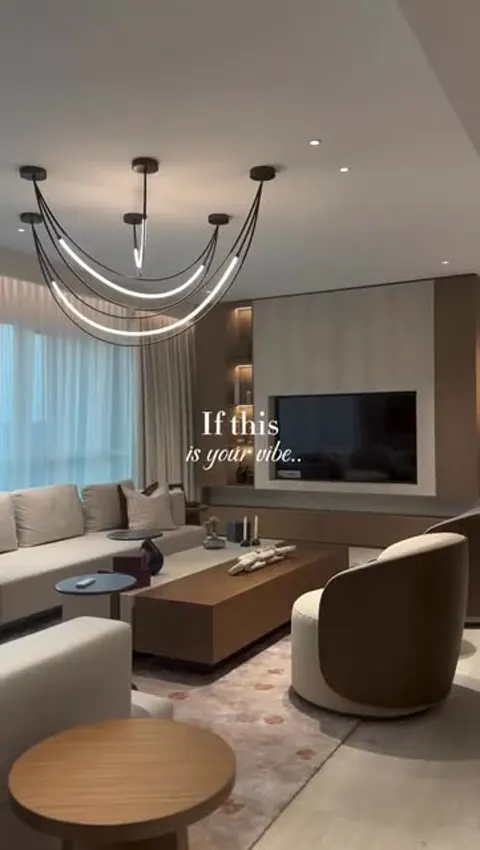
- L-shaped sofa: efficient in square rooms and good for family TV time.
- Three-seater plus two armchairs: more flexible for guests and conversation.
- Sofa facing a feature wall with a daybed or diwan: suits larger kothi living rooms.
- Floor seating: a low platform with cushions or a large rug and poufs works for festivals and gatherings.
- Rug size: large enough for at least the front legs of all seating to rest on it.
For open living-dining rooms, align the dining table with a pendant and separate the zones with a rug or a change in ceiling. Our dining room interior design page shows combined layouts.
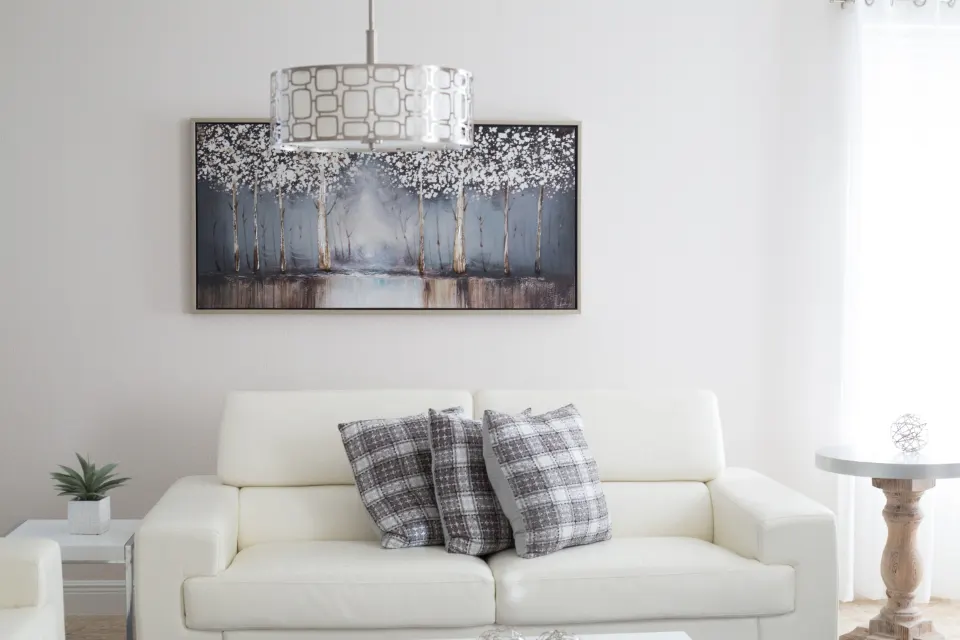
Sixteen practical decor ideas
Pick four or five ideas that fit your space, rather than trying all of them.
Walls and storage
- Fluted TV wall with a slim floating console and closed drawers below. See our TV unit design ideas.
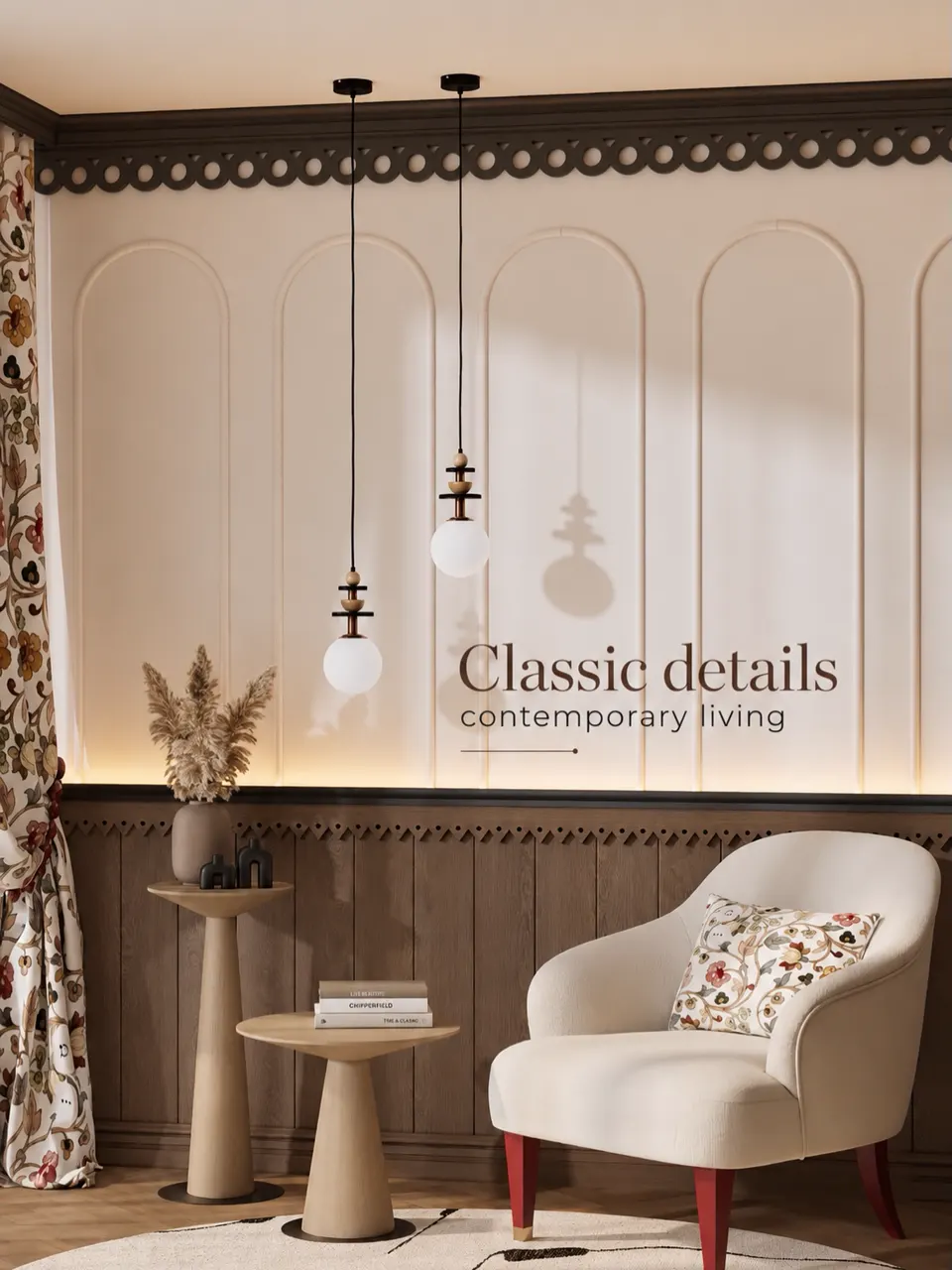
- Arched display niches lit from above for family pieces, brass and books.
- Wall-to-wall storage that hides the router, set-top box and board games.
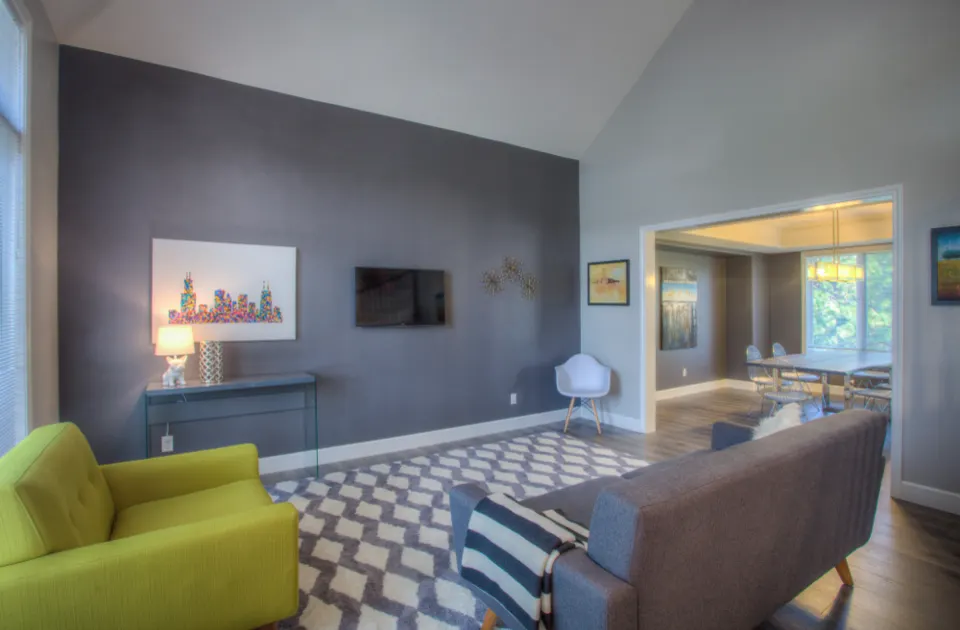
- Textured or limewash feature wall behind the sofa.
- Sculpted mirror near the entrance to bounce light.
Furniture and soft furnishing
- Performance fabrics that resist stains and fading in sunny rooms.
- Layered curtains: sheer for daytime, blackout for afternoons and movie time.
- A large neutral rug with a subtle pattern to hide daily wear.
- Cushion mix: two solid colours, one texture and one pattern.
- Nesting tables that expand for guests.
- A reading chair with a floor lamp in a quiet corner.
Light, colour and life
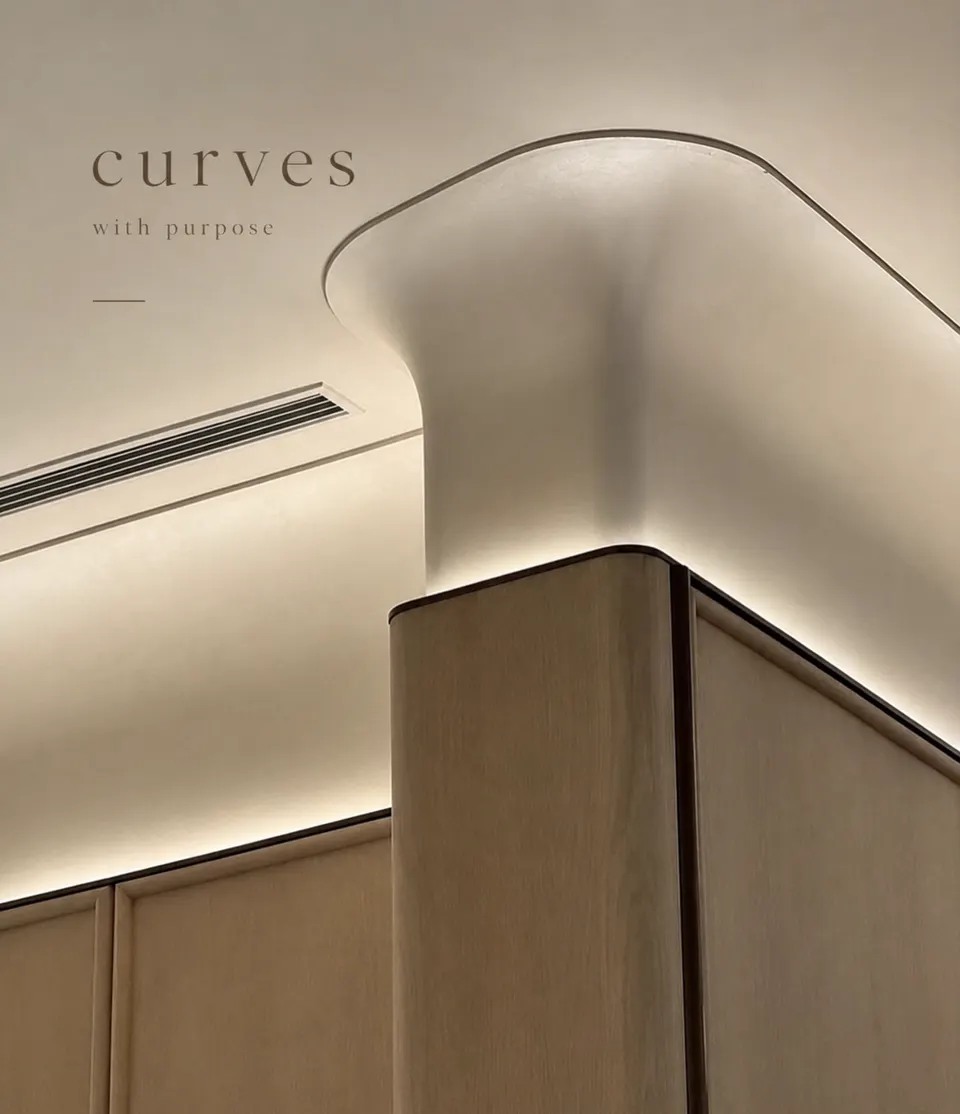
- Warm cove lighting plus lamps instead of relying only on ceiling lights.
- A calm base palette of warm white, sand or greige with one accent.
- Indoor plants such as areca palm, snake plant or rubber plant near windows.
- Personal art: a Pichwai, Madhubani or a modern print, framed well.
- Brass and wood accents that tie the room to Indian craft.
Colour palettes that suit Indian light
Warm neutrals work best as a base because Indian daylight is strong and can make cool greys feel flat. Add depth with one accent colour.
| Mood | Base | Accent | Materials |
|---|---|---|---|
| Quiet luxury | Warm white, greige | Mushroom, taupe | Walnut veneer, boucle, brass |
| Earthy modern | Sand, beige | Terracotta, olive | Cane, jute, oak |
| Classic contemporary | Ivory | Deep teal or navy | Marble, velvet, gold accents |
| Fresh and light | Soft white | Sage green | Light oak, linen |
More combinations are in our colour palette guide.
Lighting the living room in layers
Plan ambient, task and accent lighting on separate switches, all in warm white (2700K–3000K). This lets one room feel bright for guests and cosy for movies.
- Ambient: cove lights or a few anti-glare downlights.
- Task: a floor lamp by the reading chair, a table lamp by the sofa.
- Accent: wall washers on the TV wall, niche lights, picture lights.
- Decorative: a statement pendant or chandelier sized to the room.
Planning the ceiling as well? Read about false ceiling designs for living rooms.
Storage ideas and festive styling
Closed storage keeps an Indian living room calm, and a few flexible pieces make it easy to host festivals. Plan both from the start.
Storage that hides daily clutter
- Entry console with shoe cabinet: a ventilated shoe unit, a key tray, a mirror and a drawer for masks, pens and parcels.
- TV wall drawers: deep drawers for remotes, chargers, board games and guest napkins, with a cable channel behind.
- Bench or window seat with lift-up storage: useful for extra cushions, mattresses and bedsheets for visiting relatives.
- Crockery and bar unit: glass shutters on top, closed storage below, placed between living and dining.
- Ottomans with storage: extra seating that also holds throws and magazines.
In dusty Delhi NCR conditions, closed storage also saves hours of cleaning each week. Matte finishes and handleless profiles keep the look clean.
Styling for Diwali and family gatherings
Keep a neutral base so festive decor can shine. Swap cushion covers for silk or brocade, add brass diyas and urlis on the console, and use warm fairy lights inside niches rather than across every wall. Nesting tables and floor cushions stored in a bench can appear when guests arrive and disappear afterwards. A rangoli-friendly floor space near the entrance, free of rugs, is a small planning detail many families appreciate. For more on soft layers, see our home furnishing and decor service.
Mistakes that make living rooms feel cramped
Oversized furniture, too many small decor pieces and a single harsh ceiling light are the usual culprits.
- Buying a sofa before measuring the room and the lift or staircase.
- Pushing all furniture against the walls, leaving an empty centre.
- A TV unit that is too tall or too bulky for the wall.
- Curtains hung at window height rather than closer to the ceiling.
- Rugs that are too small and float in the middle of the floor.
- Open shelves with no plan, which quickly become clutter.
Living room makeover costs
A decor refresh can start around ₹75,000, while a full living room redesign with TV wall, ceiling, lighting and furniture often ranges from ₹3 lakh to ₹10 lakh+. These are indicative figures that depend on materials and scope.
| Scope | Typical work | Indicative cost |
|---|---|---|
| Refresh | Paint, curtains, rug, cushions, lamps | ₹75,000 – ₹2 lakh |
| Upgrade | Plus TV wall, feature panel, cove lighting | ₹2 – ₹5 lakh |
| Full redesign | Plus false ceiling, sofa and furniture, custom joinery | ₹5 – ₹10 lakh+ |
Want a living room that looks composed and still handles real family life? See our living room interior design service, or call Asaya Interiors on +91 98001 08800 and we will visit, measure and propose a layout you can review in 3D.
Frequently asked questions
How can I decorate my living room in an Indian style but modern?
Use a calm neutral base, modern furniture shapes and clean storage, then add Indian elements such as brass accents, a jaali panel, handloom cushions, a traditional art piece or a carved console. Keep the number of pieces limited so each stands out.
What is the best colour for an Indian living room?
Warm neutrals such as warm white, sand, beige and greige work well with Indian light and furniture. Add one accent colour like olive, terracotta, teal or deep blue through a wall, upholstery or cushions.
How far should the sofa be from the TV?
For a 55 to 65 inch TV, a viewing distance of about 2.5 to 3.5 metres is comfortable. The centre of the screen should be close to eye level when seated, usually around 1,000 to 1,100mm from the floor.
How do I make a small living room look bigger?
Use a light colour palette, leggy furniture, a large rug, mirrors opposite windows, wall-mounted storage and curtains hung close to the ceiling. Avoid bulky sofas and too many small decor items.
Where should the pooja unit go in a living room?
If the living room is the only option, the north-east corner is commonly preferred. Keep it away from the TV wall and the main walkway, give it its own warm light and consider doors or a jaali screen so it feels distinct from the entertainment zone.
How many lights does a living room need?
Most living rooms need at least three layers: ambient light such as a cove or downlights, task light from one or two lamps, and accent light for the TV wall, art or niches. Keeping each layer on a separate switch gives far more flexibility than a single bright fixture.
Which sofa fabric is best for Indian homes?
Performance fabrics, tightly woven blends and leatherette are practical for families because they resist stains and are easy to clean. Avoid delicate fabrics in rooms with strong direct sunlight, as they can fade.