What are the best wall panelling design ideas for homes?
The most effective wall panelling design ideas are a fluted or slatted TV wall, an upholstered or panelled bed-back wall, classic moulded panels in the living or dining room, and moisture-resistant WPC or PVC panels in areas exposed to humidity. Choose the material by the room's conditions first and the look second.
Wall panelling adds depth, texture and a tailored finish that paint alone cannot. It also hides uneven walls, conceals wiring and gives a natural place for accent lighting. Fluted panelling in particular has become a signature of contemporary Indian interiors, and it is a detail Asaya Interiors often uses in its projects.
PU vs MDF vs fluted vs WPC panels: how do they compare?
MDF with a PU or laminate finish is the most versatile for dry rooms; WPC and PVC resist moisture and termites best; natural veneer gives the richest look; and fluted profiles can be made in MDF, WPC or solid wood.
| Panel type | What it is | Best for | Moisture resistance | Indicative cost (material + install) |
|---|---|---|---|---|
| PU-finished MDF | MDF shaped or grooved, sprayed with polyurethane paint | Living, bedroom, moulded classic panels | Moderate; keep away from wet walls | Typically ₹450 – ₹1,200 per sq ft |
| Laminate on MDF / HDHMR | Board faced with decorative laminate | TV walls, bed-back walls, offices | Moderate to good with HDHMR | Typically ₹300 – ₹800 per sq ft |
| Fluted MDF | Routed vertical grooves, finished in PU, laminate or veneer | TV walls, headboards, foyer, bar units | Moderate | Typically ₹500 – ₹1,500 per sq ft |
| WPC / PVC fluted panels | Wood-plastic or PVC composite, ready-finished | Humid areas, balconies (covered), budget feature walls | High; termite-resistant | Typically ₹250 – ₹700 per sq ft |
| Natural veneer panels | Real wood veneer on plywood or MDF, polished | Luxury living rooms, studies, lounges | Moderate with good polish | Typically ₹700 – ₹2,000+ per sq ft |
| Upholstered / fabric panels | Foam and fabric or leatherette on board | Bed-back walls, home theatres | Low; keep dry | Typically ₹500 – ₹1,500 per sq ft |
| Charcoal / louvre panels | Textured composite sheets | Accent walls, commercial spaces | Good | Typically ₹250 – ₹600 per sq ft |
All costs are indicative for Delhi NCR in 2026 and depend on brand, thickness, finish, lighting and wall condition. A site measurement gives an accurate figure.
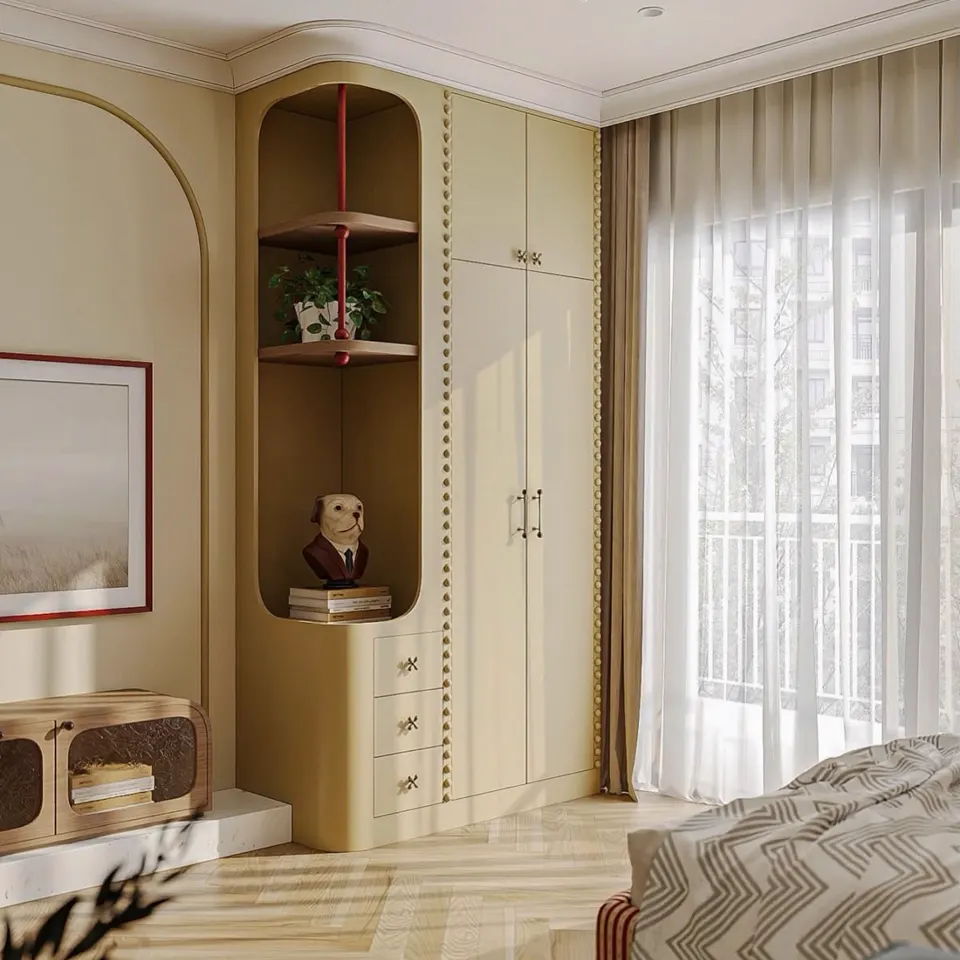
Panelling ideas for each room
Living room
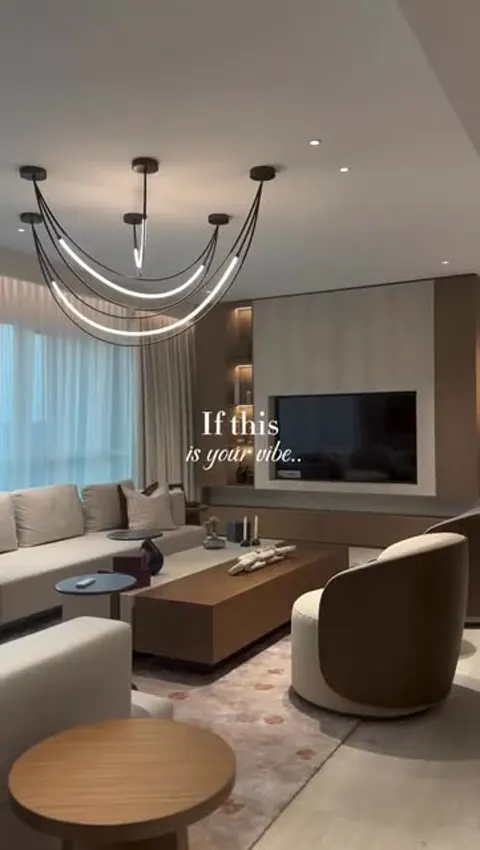
Fluted or slatted panels behind the TV, classic box mouldings painted in the wall colour, or book-matched veneer create a focal point. Our TV unit design ideas show how to integrate the screen and storage.
Bedroom
An upholstered or fluted headboard wall running the full width of the room, often with bedside niches and warm backlighting. Extend the panel to the ceiling for a hotel-like finish.
Dining room
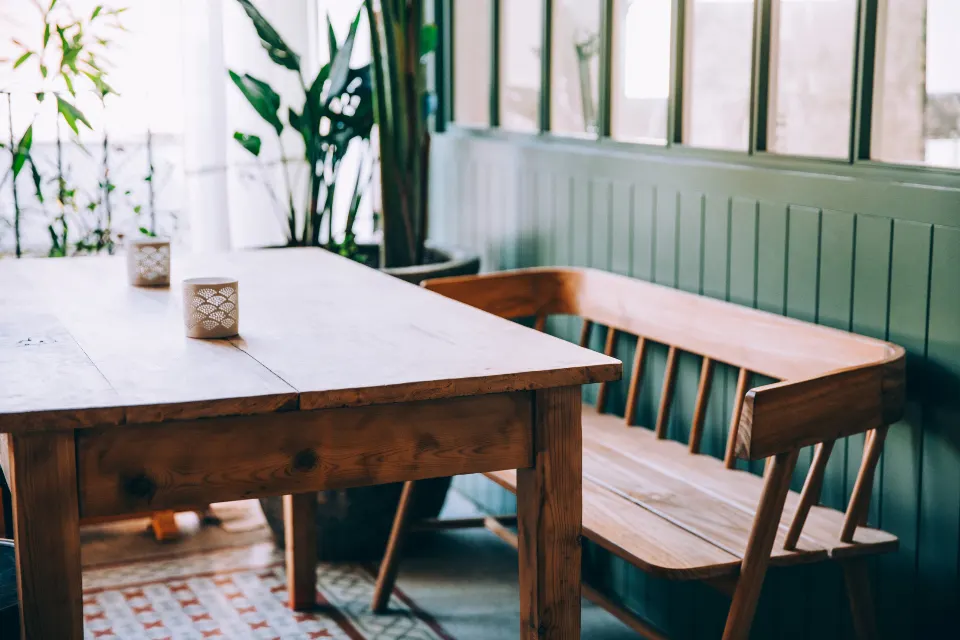
Wainscoting (panelling to around 900mm to 1,200mm height) protects walls from chair backs and looks elegant, especially in green, navy or warm wood.
Foyer and passage
Slatted panels can hide a shoe cabinet or utility door, creating a seamless wall. A panelled niche with a sculpted mirror makes a strong entrance.
Staircase
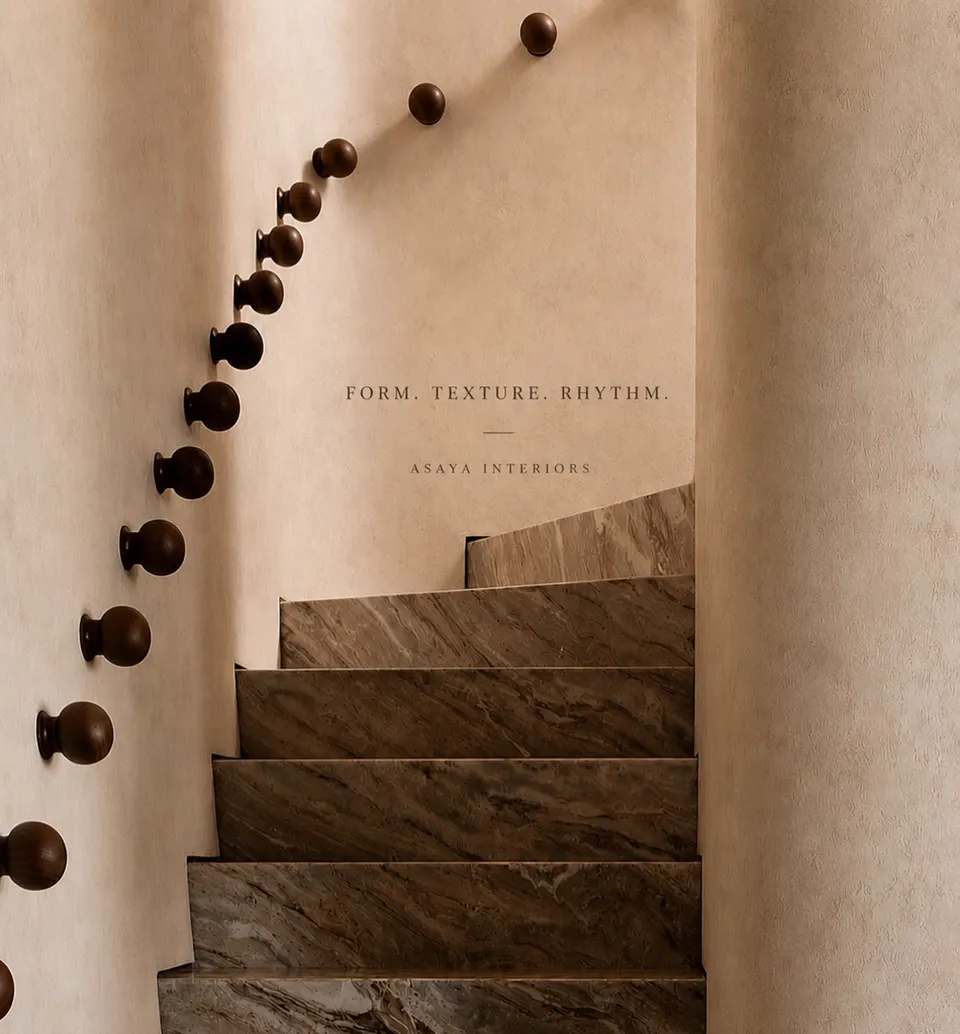
Wood or textured panels along the stair wall protect paint from scuffs and add rhythm. Pair with step lights.
Pooja area
CNC-cut jaali or lotus panels in MDF or Corian-like solid surfaces, backlit for a soft glow. See our pooja room design ideas.
Home office
Acoustic slatted panels with felt backing reduce echo during video calls and add warmth.
Fluted panelling: design details that make it look right
Fluted panels look best when the flute width suits the viewing distance, the panel runs floor to ceiling or between clear edges, and joints align with other elements such as the TV, niches and doors.
- Flute size: narrow flutes of about 10mm to 20mm read as fine texture from a distance; wider 30mm to 50mm reeds feel bolder.
- Direction: vertical flutes make ceilings look taller, while horizontal ones widen a narrow wall.
- Edges: finish panels with a clean shadow gap or metal trim rather than exposed board edges.
- Curves: flexible fluted panels can wrap curved walls, columns and bar counters.
- Finish: matte PU in a soft neutral is timeless; wood veneer is warm; metallic accents inside grooves add a luxury touch.
- Lighting: a grazing light from above or a vertical profile emphasises the texture.
Moisture, termites and wall preparation
Never install wood-based panels on a damp wall. Fix seepage first, then use a backing frame or moisture barrier, choose HDHMR, BWP ply or WPC in risk-prone areas, and treat wood-based boards against termites.
- Check the wall with a moisture meter, especially on external walls and walls shared with bathrooms or kitchens.
- Resolve leakage and allow the wall to dry fully before panelling.
- Use a batten or aluminium frame to leave a small air gap behind panels.
- Apply anti-termite treatment to wooden battens and back surfaces.
- Prefer WPC or PVC panels for walls near balconies and utility areas.
- Seal all edges and cut-outs for switchboards.
Choosing the right board underneath is critical; our plywood grades guide explains MR, BWR, BWP and HDHMR in detail.
Matching panel styles to your interior theme
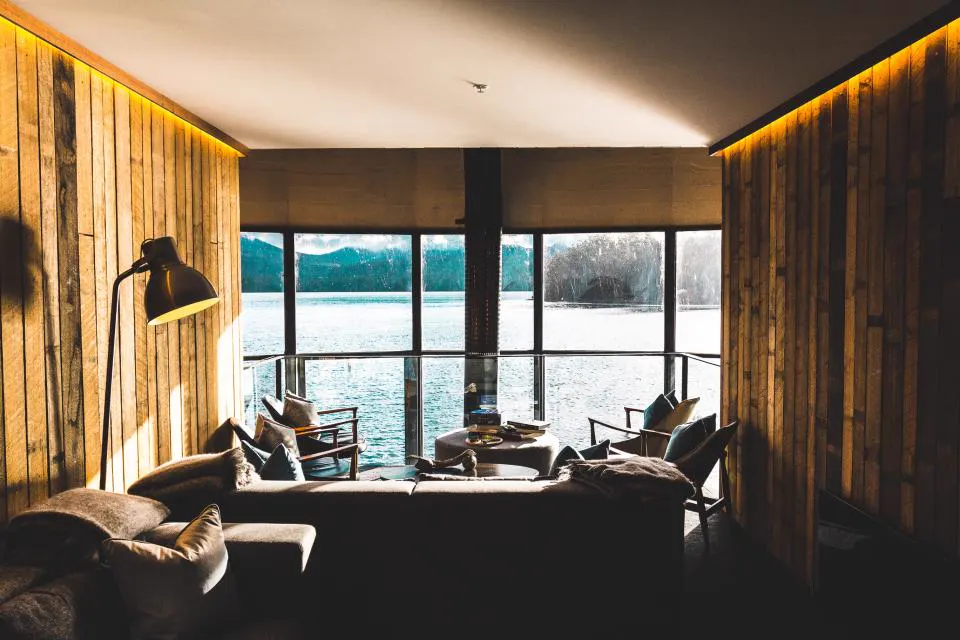
Pick the panel profile to suit the overall style of the home: slim flutes and seamless joints for modern and minimal interiors, box mouldings for classic and neoclassical rooms, warm slats for Japandi and Scandinavian looks, and carved or jaali panels for Indian contemporary homes.
| Interior style | Panel profile | Suggested finish |
|---|---|---|
| Modern minimal | Flush panels with V-grooves or fine flutes | Matte PU in greige, off-white or charcoal |
| Quiet luxury | Wide reeded panels, shadow gaps, brass inlays | Oak or walnut veneer, champagne metal trims |
| Classic / neoclassical | Box mouldings and wainscoting | Painted to match the wall, or two-tone |
| Japandi / Scandinavian | Timber slats with felt backing | Light oak laminate or natural veneer |
| Indian contemporary | CNC jaali, lotus or arch motifs | Ivory PU with backlighting, or teak-tone veneer |
| Industrial | Charcoal or louvre panels, metal strips | Dark textures with warm accent lights |
A good rule of proportion is to panel one wall per room, or run panelling to a consistent height such as a dado line, so the room stays balanced. Where a room already has a strong false ceiling, keep panelling simpler so the two do not compete. Coordinate panel tones with your flooring and furniture, and test samples under the actual lighting, as colours on veneer and PU shift noticeably between warm and neutral light. Our colour palette ideas help you choose tones that sit well together.
Installation steps and timeline
A typical feature wall takes two to seven working days, from framing and electrical work to panel fixing, finishing and lighting.
- Measure and finalise the design, flute size and finish in a 3D view.
- Complete concealed electrical work, including conduits for TV, profile lights and switches.
- Install the batten or metal framework, levelled with a laser.
- Fix the panels with adhesive and concealed fasteners.
- Apply PU paint or polish on site if required, or install pre-finished panels.
- Install profile lights, trims and hardware.
- Clean and hand over, with care instructions.
Care, maintenance and mistakes to avoid
Dust panels weekly with a soft brush or microfibre cloth, clean with a damp (not wet) cloth, and avoid harsh chemicals. Most panel problems come from poor planning rather than poor materials.
- Mistake: deep flutes in a dusty, high-traffic area without a cleaning plan.
- Mistake: panelling every wall, which makes a room feel heavy.
- Mistake: switchboards cut randomly through flutes; align them with the pattern.
- Mistake: mixing too many wood tones.
- Mistake: fabric panels in a smoking area or near cooking.
Wall panelling is one of the details that turns a plain room into a considered one. Explore our wall panelling and decor service, or call Asaya Interiors on +91 98001 08800 to see finish samples and get a panel design drawn for your wall.
Frequently asked questions
Which wall panel is best for a living room?
For dry living rooms, PU-finished or laminated MDF and fluted panels give the best balance of looks and cost. If the wall has any history of dampness, choose WPC or HDHMR-based panels after fixing the source of moisture.
Are WPC panels better than MDF panels?
WPC panels resist moisture and termites better and come pre-finished, making them practical and quick to install. MDF panels offer more design flexibility, crisper profiles and a wider choice of paint and veneer finishes for dry interiors.
How much does fluted wall panelling cost in Delhi NCR?
Indicatively, fluted MDF panelling typically ranges from about ₹500 to ₹1,500 per sq ft, and WPC fluted panels from about ₹250 to ₹700 per sq ft, depending on finish, lighting and wall condition. A site visit gives an accurate quote.
Can wall panels be installed on damp walls?
No. Fix the source of dampness and let the wall dry first. Installing panels on a damp wall traps moisture and can lead to swelling, fungus and termite issues within a few seasons.
How do I clean fluted wall panels?
Use a soft brush or vacuum attachment to remove dust from grooves weekly, then wipe with a lightly damp microfibre cloth. Avoid abrasive cleaners, which can damage PU and laminate finishes.