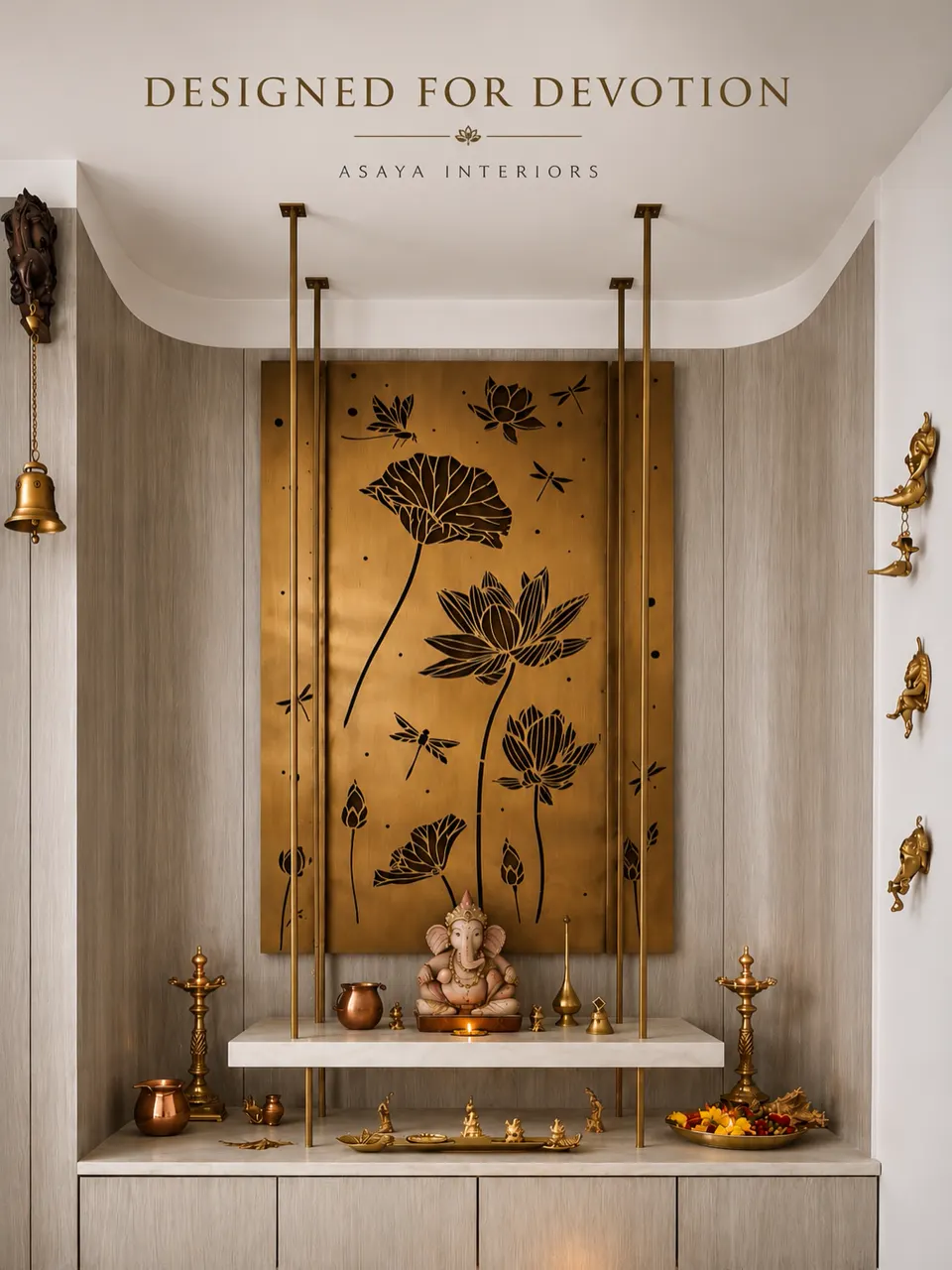
What are the most useful vastu tips for home interiors?
The most useful vastu tips for home interiors are the ones you can apply through furniture placement, colour and lighting rather than demolition: keep the north-east light and uncluttered, place the pooja unit facing east or north, sleep with your head towards the south or east, and keep the centre of the home open. Everything else is refinement.
Vastu Shastra is a traditional Indian system of spatial guidelines. Many families value it for cultural and emotional reasons, and a good interior designer should be able to respect those preferences without turning the home into a list of restrictions. Our approach at Asaya Interiors is simple: treat vastu as one layer of the brief, alongside light, ventilation, storage and budget, and find the layout where all of them agree as far as possible.
A quick note on expectations. Vastu is a matter of belief and tradition. We do not claim it will change your health, finances or relationships, and you should be wary of anyone who sells it that way. What we can say is that many vastu principles overlap with sound design: morning light in the east, heavy storage on the south-west walls that receive harsh afternoon sun, and an open, airy centre all make a home more comfortable.
Room-by-room vastu guidelines for a typical flat
In short: pooja in the north-east, kitchen in the south-east, master bedroom in the south-west, and living areas towards the north or east. Most Delhi NCR flats will match only some of these, and that is normal.
| Space | Preferred zone (traditional) | Practical interior move if the zone does not match |
|---|---|---|
| Pooja / mandir | North-east (Ishaan) | Place a wall-mounted mandir on an east or north wall of any clean room; keep it away from bathroom walls |
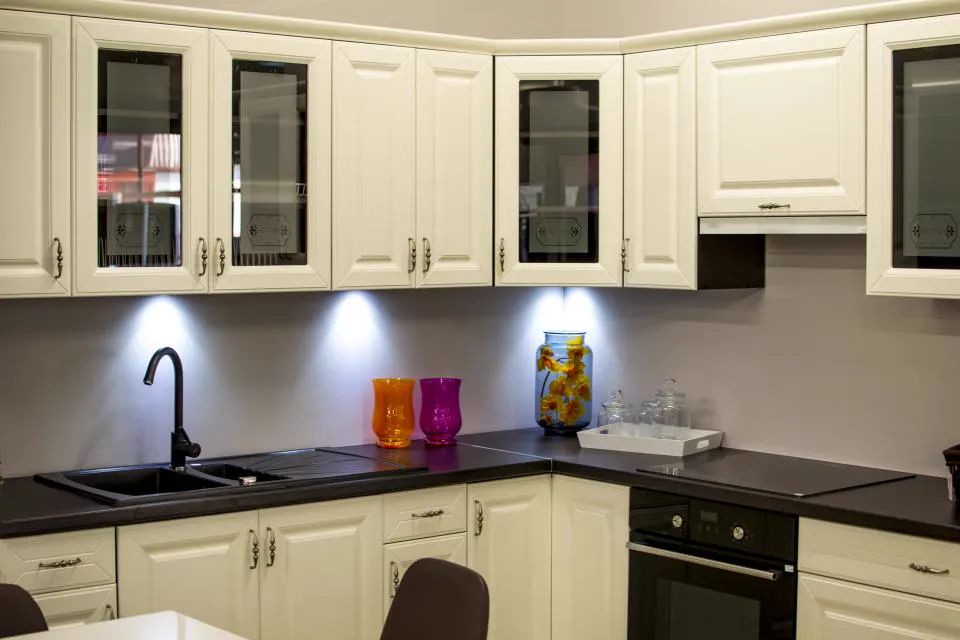
| Kitchen | South-east (Agni) | Position the hob so the cook faces east; keep sink and hob on different platform runs where possible |
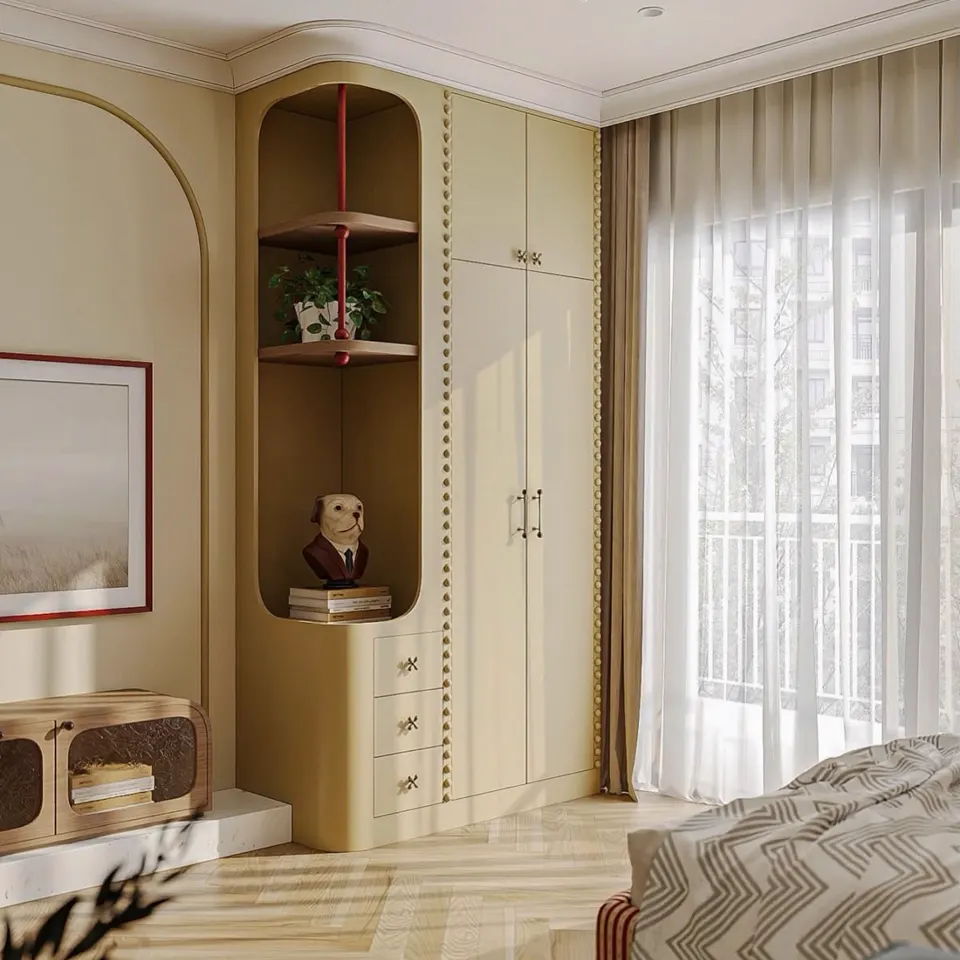
| Master bedroom | South-west | Place the bed against the south or west wall; keep heavy wardrobes on south or west walls |
| Living room | North or east | Seat the main sofa on the south or west wall so family members face north or east |
| Kids room / study | West or north-west | Orient the study desk so the child faces east or north |
| Toilets | North-west or west | Keep the door closed, add an exhaust fan and avoid placing the mandir on a shared wall |
| Centre (Brahmasthan) | Open and light | Avoid heavy furniture or a large pillar-like unit in the middle of the home |
For the sacred corner specifically, our pooja room design ideas with vastu go deeper into idol height, door styles and storage for puja samagri.
How should you place the bed, sofa and study table?
Place the bed so your head points south or east while sleeping, the main sofa so seated family members face north or east, and the study desk so the person faces east or north. These three placements are the easiest vastu wins in any home.
Bedroom
- Headboard against the south or west wall; avoid the headboard directly under a beam. If a beam is unavoidable, a false ceiling can conceal it cleanly.
- Keep 600mm of clear walkway on at least one side of the bed so the room still functions.
- Avoid a mirror that directly reflects the bed. A mirrored wardrobe shutter can be swapped for a lacquered glass or laminate, or the mirror can be placed inside the shutter.
- Keep the area under the bed reasonably clear; if you use hydraulic storage, store linen, not clutter.
Living room
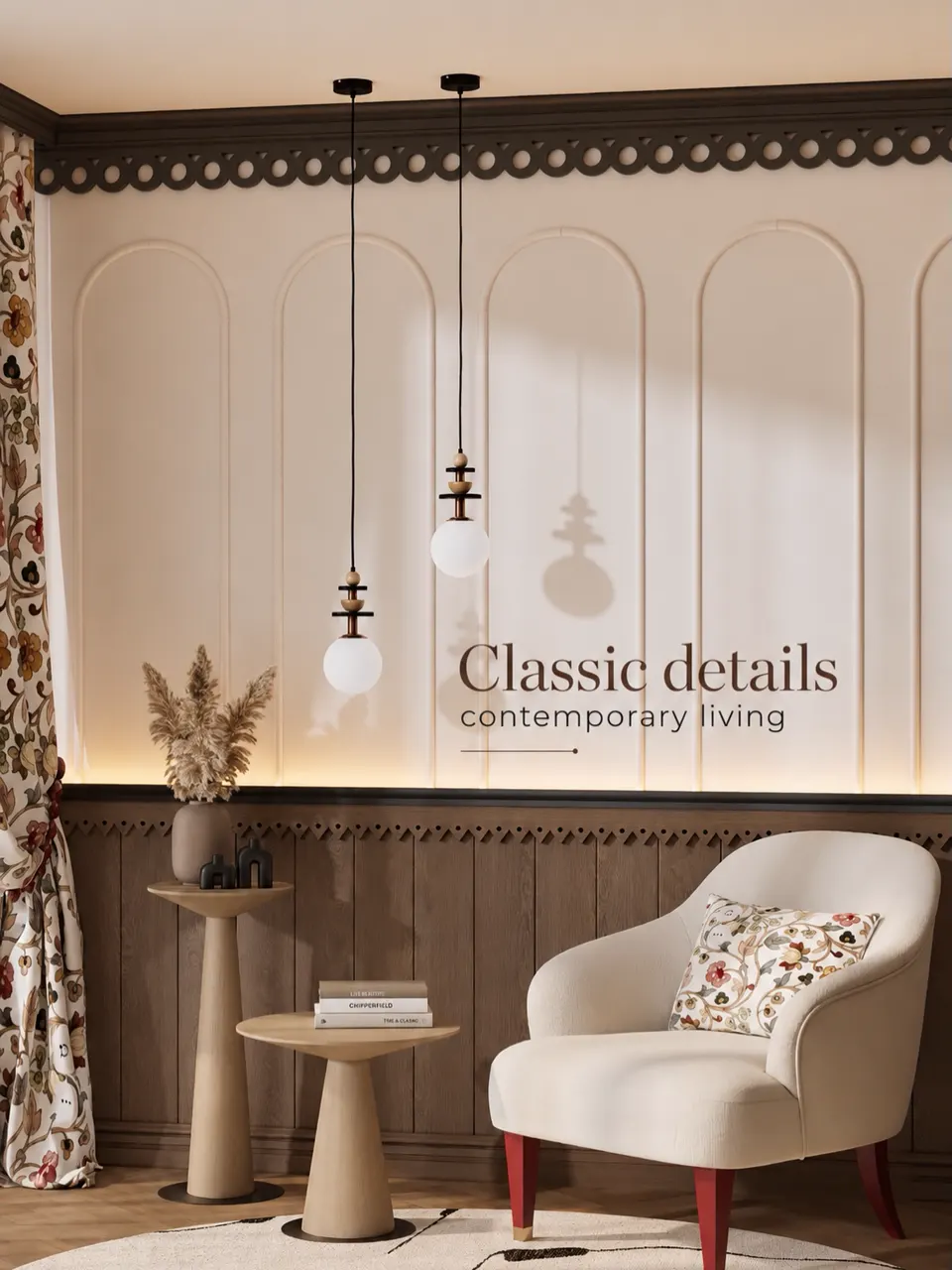
- Heavy pieces such as the sofa, bookshelves and a full-height display unit sit well on the south and west walls.
- The TV traditionally sits on the south-east side; in practice, place it where glare is lowest and viewing distance is comfortable.
- Keep the north and east windows free of heavy drapes; sheers let morning light in.
Study
- Desk facing east or north, with the back towards a solid wall rather than a door.
- Bookshelves on the south or west wall; keep the desktop uncluttered with closed storage below.
Which colours suit which directions?
Traditional guidance links lighter, cooler tones with the north and east, warm tones with the south-east, and earthy, grounded shades with the south-west. Use these as a starting palette, then test swatches in your actual light.
- North: soft greens, pale blues, off-whites.
- East: light cream, pale yellow, warm white.
- South-east: peach, terracotta, warm coral in small doses (good for kitchens).
- South: muted reds, dusty pinks, warm beige.
- South-west: earthy browns, sand, taupe, mushroom.
- West: greys, soft blues, stone tones.
- North-west: whites, light greys, silver accents.
You do not need to paint every wall a different colour. A calm base of warm white or greige, with the directional colour used on an accent wall, upholstery or cushions, keeps the home cohesive. Our colour palette ideas for Indian homes show how to build a whole-home scheme that still respects these preferences.
Mirrors, water features, plants and clutter
Mirrors are traditionally placed on north or east walls, water features in the north-east, and thorny plants are avoided indoors. Clutter anywhere, especially near the entrance and the north-east, is discouraged.
- Mirrors: a sculpted mirror on the north or east wall of the living room or foyer brightens the space. Avoid mirrors facing the main door directly.
- Water: a small tabletop fountain or an aquarium sits best in the north-east or north. Keep it clean; stagnant water defeats the purpose and breeds mosquitoes.
- Plants: tulsi on an east or north balcony is a common choice. Money plant, areca palm and snake plant are popular indoors. Many families avoid cactus inside the home.
- Clutter: good built-in storage is the most effective vastu tool you can buy. A shoe cabinet at the entrance, a loft above the wardrobe and a utility cabinet near the kitchen remove the everyday mess.
How to apply vastu without breaking walls
You can correct most vastu concerns with layout, lighting, colour and joinery rather than structural changes. Demolition in an apartment is often restricted by the society and is rarely worth the cost.
- Re-plan furniture first. Moving the bed, sofa and desk addresses most concerns for zero cost.
- Use the false ceiling and lighting. A bright, well-lit north-east corner and warm, softer light in the south-west are easy to achieve with a planned lighting design.
- Shift the mandir, not the room. A wall-mounted or freestanding mandir unit can go on the correct wall of the living or dining area.
- Adjust the kitchen internally. Moving the hob to face east usually means reworking only the platform plumbing and gas line, not the room.
- Treat the entrance. A well-lit foyer, a clean threshold, a nameplate and a closed shoe cabinet make a big difference to how the home feels.
- Use materials thoughtfully. Heavier stone, wood and dense storage on the south and west; lighter finishes and open shelving on the north and east.
If you want vastu to guide the entire plan, including new construction or a full renovation, our vastu compliant interior design service coordinates the layout from the floor plan stage.
Common vastu mistakes in modern home interiors
The biggest mistake is letting vastu override basic function, such as a bed in a spot that blocks the wardrobe or a kitchen layout that breaks the work triangle. The second is spending money on fixes that nobody in the family actually believes in.
- Placing the mandir under a staircase or on a wall shared with a toilet.
- Building a heavy, full-height unit in the centre of an open-plan living-dining area.
- Using very dark colours in the north-east corner, which also makes the room feel smaller.
- Installing mirrors opposite the bed or the main door.
- Letting unfinished repairs, broken fittings and non-working clocks linger. Beyond tradition, these simply make a home feel neglected.
- Deciding vastu changes after carpentry is fabricated. Discuss your preferences at the concept stage so the 3D design reflects them.
Planning a vastu-friendly home with a designer
Share your vastu priorities in the very first meeting, rank them by importance, and ask the designer to show the compliant options on the floor plan before any 3D work begins. This keeps costs down and prevents rework.
At Asaya Interiors we mark directions on the plan, flag where the flat naturally aligns, and suggest practical alternatives where it does not. Families who prefer a stricter approach often consult their own vastu expert; we are happy to coordinate with them and translate their recommendations into buildable joinery, lighting and finishes. For full home projects, see how this fits into our home interior design process.
Want a home that honours tradition without feeling restrictive? Call or WhatsApp +91 98001 08800 to book a free consultation at our Sector 81, Faridabad studio, and bring your floor plan along.
Frequently asked questions
Can I follow vastu in a flat where the kitchen is in the wrong direction?
Yes, most families adapt rather than rebuild. Positioning the hob so the cook faces east, keeping the sink and hob on separate runs and using warm colours in the kitchen are common adjustments. Structural relocation in an apartment is rarely allowed or worth the cost.
Which direction should the pooja unit face?
Traditionally the mandir is placed in the north-east of the home, with the idols facing west so that the person praying faces east. Where that is not possible, an east or north wall of a clean, quiet room is a common alternative.
Is it okay to have a mirror in the bedroom as per vastu?
Many families prefer that mirrors do not reflect the bed. You can place the mirror inside a wardrobe shutter, on a wall that does not face the bed, or use a dresser mirror that can be covered at night.
Does following vastu increase interior costs?
Not usually, if you decide early. Furniture placement, colour and lighting changes cost little when they are part of the original design. Costs rise only when changes are made after carpentry is fabricated or when structural work is involved.
Do you work with our family vastu consultant?
Yes. We can review their recommendations on the floor plan and convert them into practical layouts, joinery and lighting, while pointing out any function or budget trade-offs so the family can decide with full information.