Interior designer vs interior decorator: the short answer
An interior designer shapes how a space works; an interior decorator shapes how it looks and feels. Designers deal with plans, structure-adjacent changes and technical drawings, while decorators work with finishes, furniture, fabrics and accessories.
In India the two terms are often used interchangeably, and many studios offer both. The distinction still matters because it tells you what kind of expertise your project needs. Moving a kitchen, planning wardrobes to the millimetre or coordinating electricians is design work. Choosing curtains, a rug and a set of cushions for a finished room is decoration.
Think of a home as having two layers. The first is the fixed layer: walls, ceilings, flooring, wiring, plumbing, kitchen and wardrobes. The second is the soft layer: paint colour, furniture, fabrics, lamps, art and plants. An interior designer is responsible for getting the fixed layer right and usually guides the soft layer too. An interior decorator works almost entirely on the soft layer. If your frustration with a room is that it does not work, for example no storage, poor light or awkward circulation, you need design. If it works but feels flat, you need decoration.
A simple test: if the change you want needs a carpenter, electrician or mason, start with a designer. If it can be done with a delivery van and a tailor, a decorator may be all you need.
Side-by-side comparison
The table below summarises what each professional usually handles.
| Aspect | Interior designer | Interior decorator |
|---|---|---|
| Main focus | Function, layout, space planning | Aesthetics, styling, ambience |
| Typical work | Floor plans, 3D views, ceilings, electrical layouts, modular furniture, renovation | Colour schemes, furniture selection, curtains, rugs, art, accessories |
| Stage of project | From bare shell or before renovation | After construction or in a finished home |
| Technical drawings | Yes: working drawings, sections, lighting plans | Rarely |
| Coordinates trades | Carpenters, electricians, plumbers, civil teams | Tailors, upholsterers, vendors |
| Typical fee model | Percentage of project, per sq ft design fee, or turnkey | Fixed fee, hourly, or margin on products |
| Budget impact | Larger, includes built-in work | Smaller, mostly movable items |

What an interior designer does
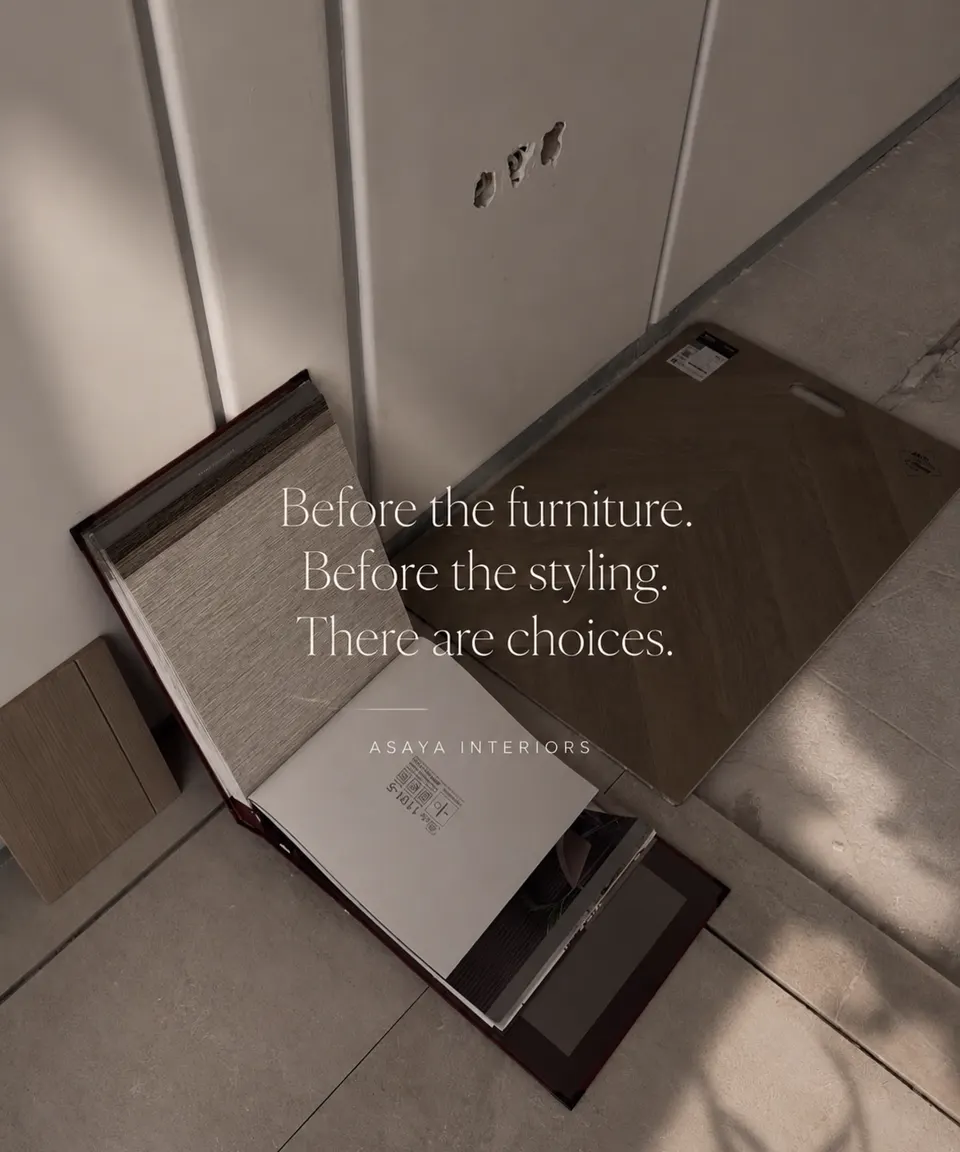
An interior designer solves spatial problems and turns them into buildable drawings. Their work determines how comfortable and efficient your home is every day.
- Measures the site and prepares a floor plan with furniture layout and circulation.
- Designs modular kitchens with the right work triangle and 600mm counter depth.
- Plans wardrobes with internal accessories, typically around 2100mm high plus lofts, or full height.
- Creates ceiling and lighting plans, including cove lights and AC routing.
- Specifies materials, such as BWP or MR plywood, laminate or acrylic shutters and hardware brands.
- Coordinates execution and checks quality on site.
This is the core of our home interior design and 3D design and floor plan services.
What an interior decorator does
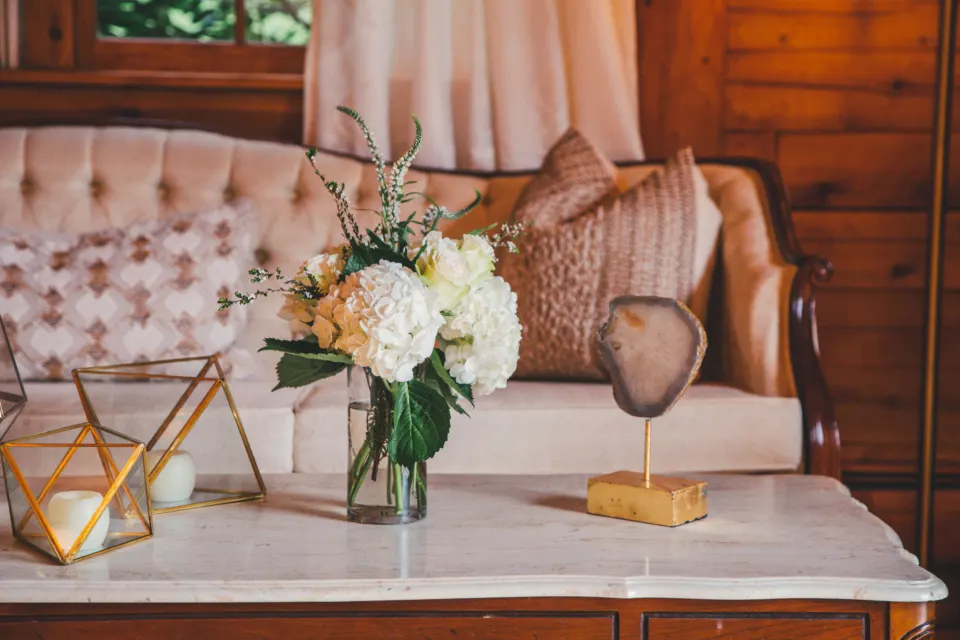
An interior decorator makes a finished space feel complete and personal. Their strength is in the layers that come after the build.
- Selects a colour palette and paint finishes.
- Chooses sofas, chairs, tables and lighting fixtures that suit the room.
- Specifies curtains, blinds, rugs, cushions and bed linen.
- Styles shelves, walls and consoles with art, plants and objects.
- Refreshes a room for an occasion, a new season or a rental listing.
For this kind of work, see our home furnishing and decor service and our guide to curtains, rugs and cushions.
Which one should you hire?
Hire a designer if anything fixed is changing; hire a decorator if only movable things are. These common scenarios make the choice clearer.
| Your situation | Best fit |
|---|---|
| New bare-shell flat or builder floor | Interior designer |
| Renovating an old house or kothi | Interior designer |
| New modular kitchen or wardrobes | Interior designer |
| Office or cafe fit-out | Interior designer |
| Finished home that feels bland | Interior decorator |
| Festive or wedding refresh | Interior decorator |
| Staging a home for sale or rent | Interior decorator |
| Full home with new furniture and styling | A studio that offers both |
If you are still deciding, our checklist on how to choose the best interior designer will help.
How the process differs day to day
A designer runs a project over weeks or months with drawings and site work; a decorator typically works in shorter cycles of selection, ordering and styling.
A typical design project
- Site measurement and brief discussion
- Floor plan options and furniture layout
- 3D designs and material selection
- Working drawings and BOQ
- Civil, electrical and ceiling work
- Furniture production and installation
- Painting, lighting, snag list and handover
A typical decoration project
- Walk-through of the finished space
- Mood board and colour palette
- Furniture, fabric and accessory selection
- Ordering, tailoring and upholstery
- Installation and final styling
Because design work comes first, it also sets limits for decoration. A sofa wall that is 3.2 metres wide, a window without a curtain pelmet or a ceiling without a track for sheers will shape what the decorator can do later. That is a good reason to think about furnishing while the design is still on paper.
Common myths about both roles
The biggest myth is that hiring a professional always costs more; in practice, good planning often reduces waste and rework. A few other misconceptions:
- "Decorators only pick cushions." Skilled decorators make strong decisions on scale, proportion and colour that change how a room feels.
- "Designers only do luxury homes." Compact flats benefit the most from careful planning, because every centimetre counts.
- "I can decide the layout and just hire a carpenter." Possible, but mistakes in clearances, such as a 900mm passage or wardrobe door swing, are costly to fix.
- "Renders are the design." A 3D view shows the look; working drawings and material specifications are what actually get built.
Costs: what to expect
Designer engagements cost more overall because they include built work; decorator engagements are smaller but can add up with premium products. Indicative Delhi NCR figures:
- Full home interior design and execution: roughly ₹1,500–₹4,500+ per sq ft of carpet area, depending on specification.
- Design-only fees: commonly a percentage of project value or a per sq ft fee.
- Decor and furnishing for a living room: can range from about ₹75,000 to several lakh depending on furniture, fabrics and art.
All figures are indicative and depend on materials and scope; a site visit gives you real numbers.
Why many homeowners choose one team for both
A single team that designs and decorates keeps the story consistent from the floor plan to the final cushion. Colour, material and lighting decisions made early can then be carried through to furnishing.
Asaya Interiors works across both: floor plans, 3D design, construction and complete interiors, as well as bespoke details and styling such as curved niches, fluted panelling, mirrors and curtains. We serve Faridabad, Delhi NCR and projects across India; our interior decorator in Faridabad page explains the local service.
Not sure whether your project needs a designer, a decorator or both? Tell us what you have in mind on +91 98001 08800 and we will suggest the simplest scope that gets you there.
Frequently asked questions
Is an interior decorator cheaper than an interior designer?
Usually yes, because decorators work with movable items and do not manage construction or built-in furniture. However, premium furniture, fabrics and art can make a decor project expensive. The right choice depends on what needs to change.
Can an interior designer also decorate?
Yes. Most interior designers also handle colour, furniture and furnishing selection. Many studios offer design and decoration together so that the finished home feels coherent.
Do interior decorators need formal qualifications?
Decoration relies largely on aesthetic skill and product knowledge. Designers typically need deeper technical knowledge of materials, services, drawings and building practices, since their decisions affect the structure and function of the space.
Who should I hire for a modular kitchen?
An interior designer, because a modular kitchen involves measurements, plumbing and electrical points, appliance planning, carcass materials and hardware that need technical planning.
Should I hire a designer or decorator for a new builder floor?
A designer. A new builder floor usually needs a floor plan review, ceiling and lighting plans, electrical changes, a modular kitchen, wardrobes and bathroom finishes. Once that fixed work is planned, decoration can follow to complete the look with furniture and furnishing.
Can a decorator help with a rented home?
Yes. Decorators are well suited to rented homes because they focus on removable elements like rugs, curtains, lighting, plants and furniture that you can take with you.